
Problems with Tulip Bulbs
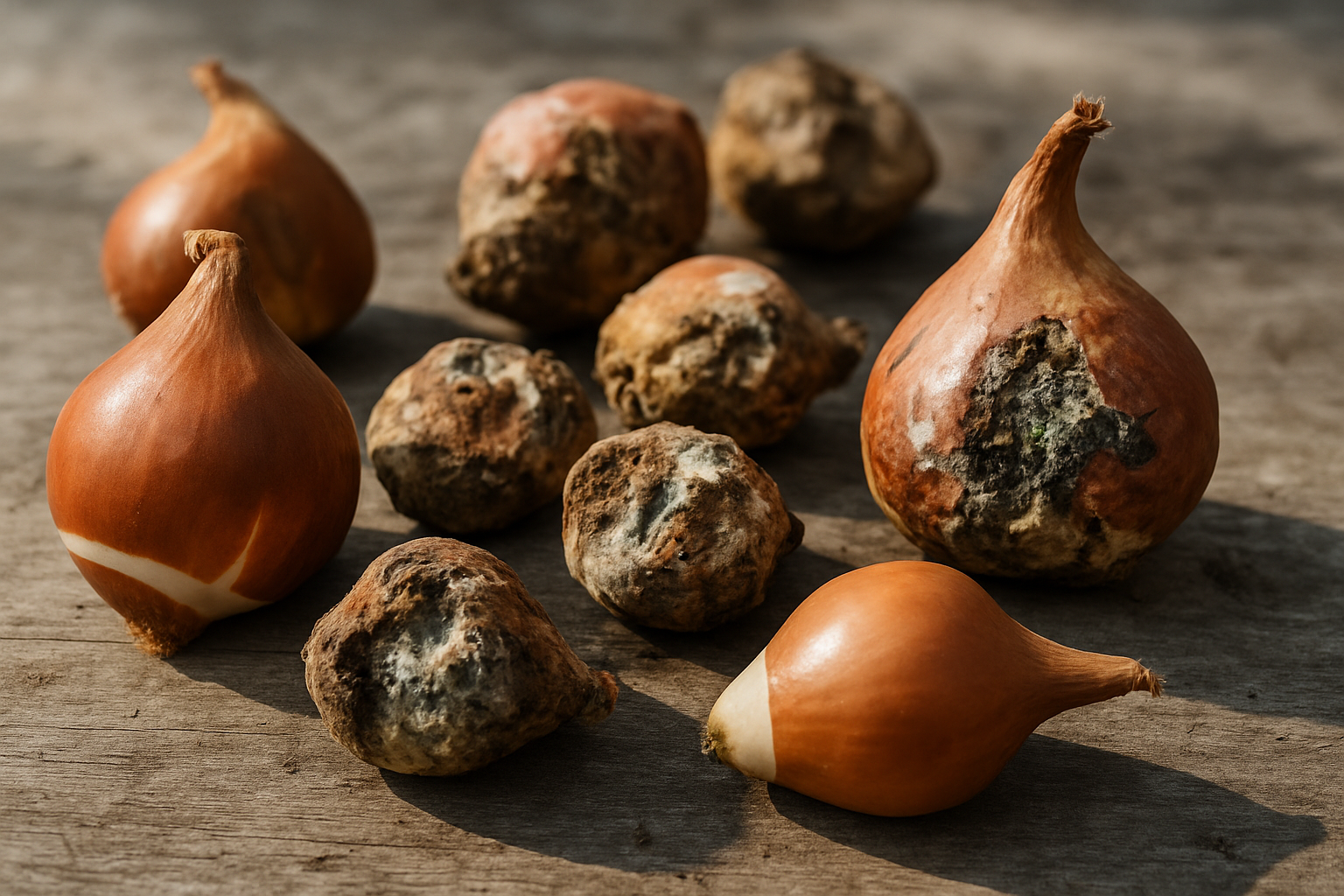
Tulip bulbs are a cheerful addition to any spring garden, but sometimes things don’t go as planned. Whether you’re dealing with bulbs that don’t sprout, flowers that fail to appear, or signs of disease, you’re not alone. Here we explain the most common issues with tulip bulbs, how to recognize them, and what you can do to keep your tulips healthy and blooming.
Common Problems with Tulip Bulbs
- Bulbs fail to sprout: Sometimes, tulip bulbs simply don’t come up in spring. This can be due to poor quality bulbs, planting too late, or bulbs being eaten by animals.
- Rot and mold: Soft, mushy, or moldy bulbs are often the result of excess moisture or poor drainage in the soil.
- Diseases: Fungal diseases like Botrytis (tulip fire) can cause brown spots on leaves and flowers, or even rot the bulbs underground.
- Pests: Mice, voles, and squirrels sometimes dig up and eat tulip bulbs, especially in winter and early spring.
- Lack of flowering: Healthy-looking leaves but no flowers can be caused by overcrowding, depleted bulbs, or planting too shallow or deep.
Diseases and Fungal Issues
Tulip bulbs are susceptible to several fungal diseases. Botrytis tulipae (tulip fire) is one of the most common, causing brown, withered spots on leaves and flowers. Infected bulbs may feel soft or show white or gray mold. Remove and dispose of affected bulbs and plant material—do not compost them. Avoid replanting tulips in the same spot for a few years if you’ve had a serious outbreak.
Pests and Animals
Rodents such as mice and voles are known to dig up and eat tulip bulbs, especially in gardens near fields or wooded areas. Squirrels may also dig in pots or beds. If you notice bulbs disappearing or holes in your planting area, animals are likely the cause. Sometimes birds may peck at emerging shoots, but this is less common.
Why Aren’t My Tulips Blooming?
- Bulbs planted too shallow or deep: Tulip bulbs should be planted about 10-15 cm deep. Too shallow, and they may freeze or dry out; too deep, and they may not emerge.
- Bulbs are depleted: Tulips often bloom best in their first year. In subsequent years, bulbs may produce only leaves if they haven’t stored enough energy. This is common with many hybrid tulips.
- Overcrowding: If bulbs are too close together, they may compete for nutrients and space, leading to fewer flowers.
- Poor soil or drainage: Waterlogged soil can rot bulbs before they have a chance to grow.
Prevention and Solutions
- Always plant healthy, firm bulbs and avoid any that feel soft or show visible mold.
- Choose a well-drained spot in the garden, and avoid areas where water collects after rain.
- Rotate planting locations if you’ve had disease problems in previous years.
- After flowering, allow leaves to die back naturally so bulbs can store energy for next year.
- If you suspect animal activity, consider planting bulbs deeper or in wire baskets (if suitable for your garden).
FAQ about Tulip Bulb Problems
- Why aren’t my tulips coming up?
- This can be caused by bulbs rotting in wet soil, being eaten by animals, or planting too late in the season. Always check that bulbs are healthy before planting and choose a well-drained spot.
- What are signs of diseased tulip bulbs?
- Look for bulbs that are soft, mushy, or have visible mold. Above ground, brown or gray spots on leaves and flowers can indicate fungal disease. Remove affected bulbs and avoid replanting in the same spot for a few years.
- Which animals eat tulip bulbs?
- Mice, voles, and squirrels are the most common culprits. They may dig up bulbs in winter or early spring. If you notice missing bulbs or holes, animals are likely involved.
- How can I prevent rot in tulip bulbs?
- Plant bulbs in well-drained soil and avoid overwatering. Discard any bulbs that are soft or moldy before planting. If your garden is prone to wet conditions, consider planting in raised beds.
More about tulip bulbs
Introgreen Plantcoach
Plant advice and finder
Get help with plant care, plant problems and pests, or find suitable plants from the Introgreen assortment.