
Caring for and Storing Tulip Bulbs
Tulip bulbs bring a burst of colour to the garden each spring, but a little care goes a long way to keep them healthy and flowering beautifully. Whether you’re new to tulips or looking to get the most from your bulbs year after year, this page offers practical tips for watering, feeding, storing, and reusing tulip bulbs.
Watering and Feeding
After planting tulip bulbs in autumn, water them once to help settle the soil. In most climates, natural rainfall is enough during the winter and early spring. Only water if the soil becomes very dry. During the growing season, tulips generally do not need extra feeding, especially if planted in fertile garden soil. If you notice weak growth or pale leaves, you can lightly feed with a balanced fertilizer in early spring, but avoid overfeeding, as this can harm the bulbs.
Caring for Tulips During Flowering
When tulips start to grow and bloom, keep the soil moist but not soggy. Remove faded flowers by cutting off the flower head (deadheading), but leave the leaves and stem in place. The leaves gather sunlight and help the bulb store energy for next year’s flowers. Only remove foliage once it has turned yellow and withered naturally.
Storing Bulbs After Flowering
In many gardens, tulip bulbs can be left in the ground to naturalise. However, some varieties perform better if lifted and stored after flowering, especially in heavy or wet soils. To store bulbs:
- Wait until the leaves have fully died back.
- Carefully dig up the bulbs and gently brush off excess soil.
- Allow bulbs to dry in a cool, airy place out of direct sunlight for a few days.
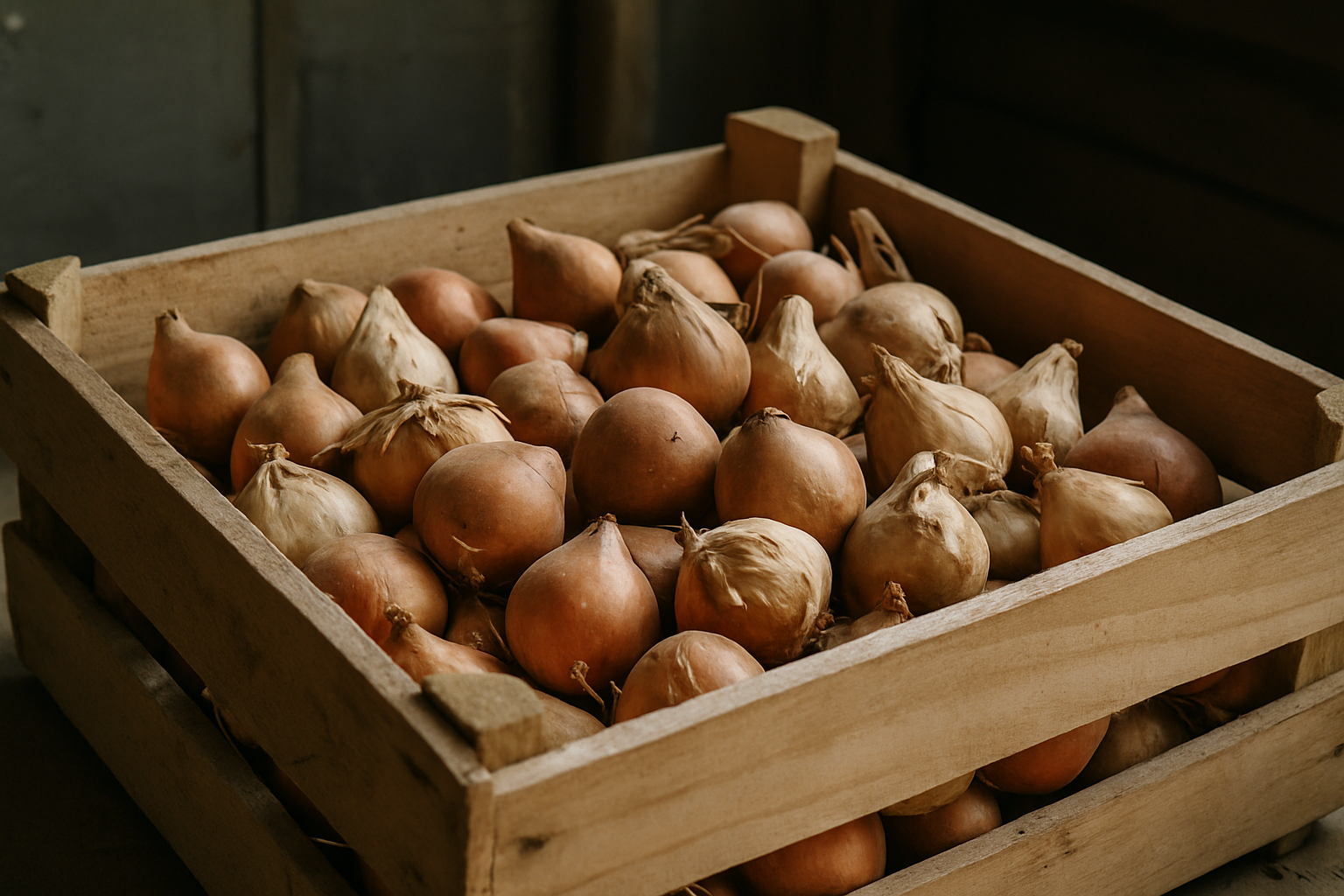
- Store the dry bulbs in a paper bag, mesh sack, or wooden crate in a cool, dry, and well-ventilated spot until autumn planting.
Check stored bulbs occasionally and remove any that show signs of rot or mold.
Replanting or Replacing Tulip Bulbs?
Not all tulip bulbs bloom equally well year after year. Some modern hybrids are best treated as annuals and replaced each autumn, while species tulips and certain older varieties can return for several seasons if conditions are right. If your tulips produce fewer flowers over time, consider planting fresh bulbs for the best display.
Common Care Questions
- Do tulip bulbs need watering after planting?
- Yes, water once after planting to settle the soil. After that, rely on rainfall unless the soil is very dry.
- How do you store tulip bulbs after flowering?
- Let the foliage die back, then lift the bulbs, dry them in a cool, airy place, and store in a dry, ventilated container until autumn.
- Can you reuse tulip bulbs?
- Some tulip bulbs can be reused, especially species tulips and older varieties. Modern hybrids may not flower as well in following years. Replant healthy, firm bulbs and replace any that are soft or damaged.
- How long do tulip bulbs stay good?
- Stored properly, tulip bulbs can remain viable for up to a year. Plant them in the autumn following harvest for best results.
- Is tulip bulbs toxic to dogs and cats?
- tulip bulbs is generally considered toxic to dogs and cats. Its sap can irritate the mouth, skin or stomach if leaves are chewed or swallowed. Keep the plant out of reach of pets and contact a veterinarian if symptoms occur or if you are unsure.
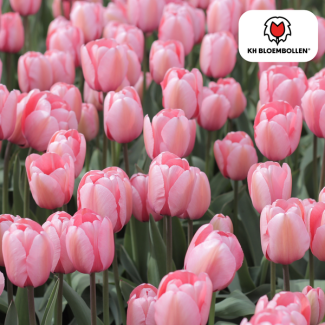
More about tulip bulbs
Introgreen Plantcoach
Plant advice and finder
Get help with plant care, plant problems and pests, or find suitable plants from the Introgreen assortment.