
Spathiphyllum pests: Identification and management

Common pests on Spathiphyllum
Spathiphyllum (Peace Lily) can be affected by several pests, especially in indoor environments. The most common are:
- Spider mites (tiny, often red or yellow, may leave fine webbing)
- Thrips (slender, fast-moving insects, often found on new growth)
- Aphids (small, green or black, cluster on stems and undersides of leaves)
Recognizing symptoms
- Fine webbing on leaves or stems (spider mites)
- Silvery or pale streaks, deformed new leaves (thrips)
- Sticky residue, curled leaves, visible insects (aphids)
- General leaf yellowing or spots may also indicate pest activity
Preventing pest problems
- Regularly inspect both sides of leaves, especially new growth
- Keep humidity above 50% if possible; dry air encourages spider mites
- Quarantine new plants before placing them near your Spathiphyllum
- Remove dead leaves and debris from the soil surface
Safe pest management
- Rinse leaves gently with lukewarm water to remove pests
- Wipe leaves with a damp cloth to physically remove insects
- Repeat cleaning weekly until pests are gone
- If pests persist or spread rapidly, consider consulting a professional for advice
When to seek professional help
If pest populations remain high after several weeks of manual removal, or if you notice rapid decline in plant health, contact a plant specialist for further diagnosis and treatment options.
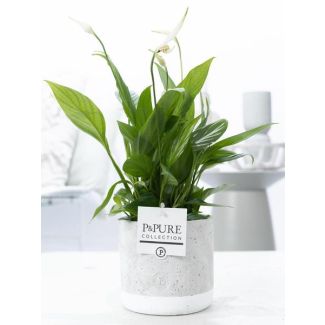
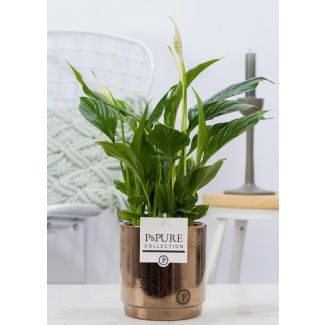
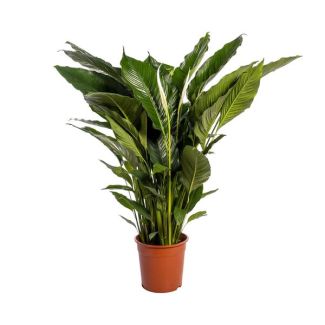
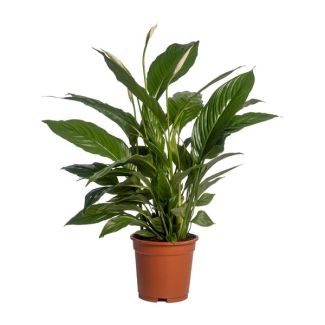
Popular Spathiphyllum plants
Frequently asked questions about Spathiphyllum pests
- What pests are common on Spathiphyllum?
- Spider mites, thrips, and aphids are the most frequently observed pests on Spathiphyllum. Regular inspection helps catch problems early.
- How can I recognize spider mites or thrips on my Peace Lily?
- Spider mites often leave fine webbing and cause tiny yellow spots. Thrips may cause silvery streaks or deformed new leaves. Use a magnifying glass for a closer look if needed.
- What can I do about aphids on Spathiphyllum?
- Remove aphids by rinsing the leaves with lukewarm water or wiping them off with a damp cloth. Repeat as needed. If the problem persists, consult a plant expert for further advice.