
Spathiphyllum (Peace Lily): Complete Advice Guide

Introduction to Spathiphyllum
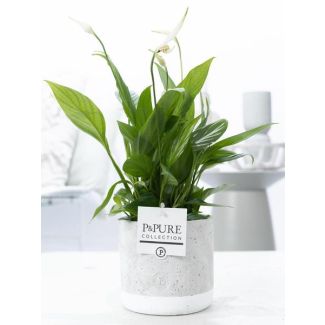
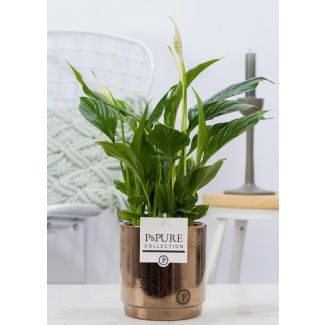
The Spathiphyllum, commonly known as the Peace Lily, is a popular indoor plant valued for its glossy green leaves and distinctive white flowers. It is well-suited to home environments and is known for its ability to tolerate lower light conditions compared to many other houseplants.
Care Overview
Peace Lilies require moderate, indirect light and consistent moisture. Allow the top 2-3 cm of soil to dry before watering again. They prefer higher humidity but can adapt to average indoor conditions. For detailed care instructions, see Spathiphyllum care tips.
Common Problems
Yellow leaves, brown tips, and drooping are frequent issues. These symptoms often relate to watering habits, light exposure, or humidity. For troubleshooting and solutions, visit Spathiphyllum problems.
Pests and Diseases
Spathiphyllum can occasionally be affected by pests such as spider mites, thrips, or aphids. Early detection and careful management are important. Learn more about identification and safe treatment at Spathiphyllum pests.
Propagation
Peace Lilies are most commonly propagated by dividing the root ball during repotting. This is best done in spring or early summer. For a step-by-step guide, see Spathiphyllum propagation.
Types and Varieties
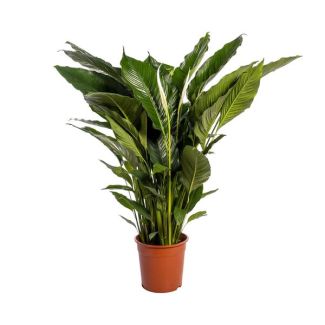
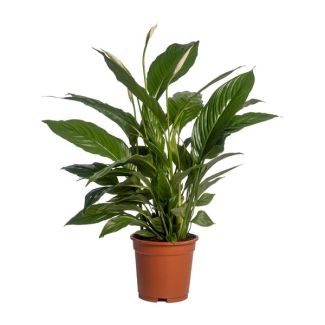
There are several Spathiphyllum varieties, differing in leaf size, shape, and flower form. Some are compact, while others grow larger and produce more blooms. Compare popular types at Spathiphyllum types.
Is Spathiphyllum Toxic to Pets?
Spathiphyllum contains compounds that may cause mild to moderate symptoms if ingested by cats or dogs, such as drooling or stomach upset. Severity can vary by pet and amount consumed. If you suspect your pet has eaten any part of the plant, consult a veterinarian for advice.
Frequently Asked Questions
- What is a Spathiphyllum?
- The Spathiphyllum, or Peace Lily, is an indoor plant known for its dark green leaves and white, sail-shaped flowers. It is native to tropical regions and is commonly grown as a houseplant.
- How do I care for a Peace Lily?
- Provide moderate, indirect light and keep the soil lightly moist, allowing the top 2-3 cm to dry between waterings. Avoid direct sun and cold drafts. For more details, see our care guide.
- Is Spathiphyllum toxic to cats and dogs?
- Spathiphyllum may cause mild to moderate symptoms if ingested by pets, such as drooling or stomach upset. If you are concerned, consult your veterinarian for specific advice.
- What types of Spathiphyllum are there?
- There are several varieties, including compact and large-leaved types. Each has slightly different growth habits and flower forms. For an overview, visit Spathiphyllum types.