
Philodendron types: which one suits you?

Introduction to Philodendron types
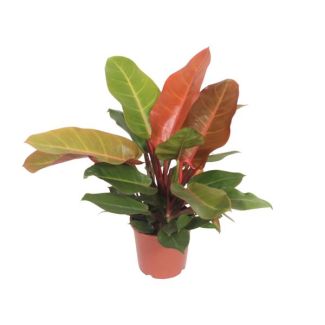
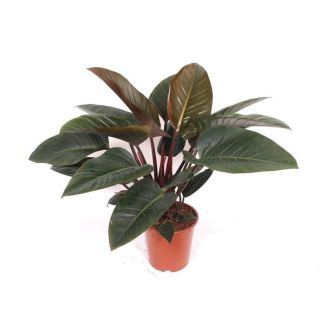
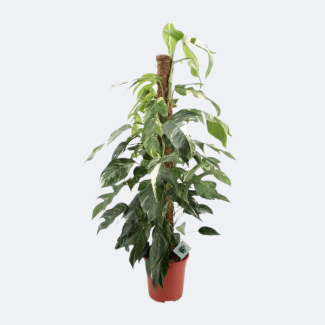
Philodendrons are a diverse group of tropical plants valued for their decorative foliage and adaptability as houseplants. There are climbing and upright types, with leaf shapes ranging from heart-shaped to oval and sometimes variegated. Below you will find an overview of popular Philodendron varieties commonly available for indoor use.
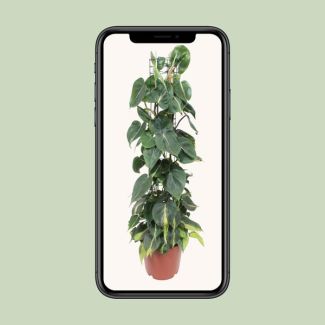
Philodendron scandens (Heartleaf Philodendron)
This is one of the most common and beginner-friendly Philodendrons. It has soft, heart-shaped green leaves and a trailing or climbing growth habit. It tolerates lower light and occasional missed waterings. Regular pruning helps keep it bushy.
Philodendron selloum (Tree Philodendron)
Philodendron selloum, also known as Philodendron bipinnatifidum, is a larger, upright species with deeply lobed, glossy green leaves. It needs more space and prefers bright, indirect light. Keep the soil lightly moist but not soggy.
Philodendron xanadu
Philodendron xanadu is a compact, bushy type with deeply lobed, leathery leaves. It remains smaller than selloum and is suitable for tabletops or small spaces. Place in bright, indirect light and water when the top few centimeters of soil are dry.
Philodendron birkin
Philodendron birkin is known for its striking white or cream pinstripe variegation on dark green, oval leaves. Growth is upright and relatively slow. Provide bright, indirect light to maintain the variegation, and avoid overwatering.
Other notable types
- Philodendron Imperial Green: Upright with large, glossy green leaves, compact and easy to maintain.
- Philodendron Brasil: A variegated form of scandens with lime and dark green streaks.
- Philodendron Red Emerald: Climbing type with reddish stems and elongated leaves.
What to consider when choosing?
- Space: Upright types like selloum need more room, while scandens and Brasil are suitable for shelves or hanging pots.
- Light: Most Philodendrons prefer bright, indirect light. Variegated types need more light to maintain their patterns.
- Care level: Heartleaf types are generally more forgiving for beginners. Variegated and compact types may need more attention.
- Pet safety: Philodendrons are potentially toxic to pets if ingested. Consult a veterinarian if you suspect your pet has eaten any part of the plant.
Frequently asked questions about Philodendron types
- Which Philodendron types are suitable for beginners?
- Philodendron scandens (Heartleaf Philodendron) and Philodendron Brasil are generally the easiest to care for. They tolerate a range of light conditions and occasional missed waterings.
- What are the differences between Philodendron scandens and selloum?
- Philodendron scandens is a trailing or climbing plant with heart-shaped leaves, while selloum is upright with large, deeply lobed leaves and requires more space.
- Which type stays compact?
- Philodendron xanadu and Philodendron birkin tend to remain more compact and are suitable for smaller spaces or tabletops.
- Are there types with special leaf patterns?
- Yes, Philodendron birkin has white or cream pinstripes, and Philodendron Brasil features lime-green variegation. Variegated types need more light to maintain their patterns.
- Are Philodendrons safe for pets?
- Philodendrons are potentially toxic to cats and dogs if ingested. If you suspect your pet has eaten any part of a Philodendron, contact your veterinarian for advice.