
Philodendron: care, problems and types

Introduction to Philodendron
Philodendrons are popular houseplants known for their attractive, often heart-shaped or oval leaves and adaptable growth. They are suitable for most indoor environments and come in a wide range of varieties, from compact types to larger statement plants. Philodendrons are generally easy to care for, but their needs can vary by species.
Quick care tips
- Place in bright, indirect light. Avoid direct sun, which may scorch leaves.
- Water when the top 2-3 cm of soil feels dry. Do not let the plant sit in water.
- Maintain moderate humidity and temperatures above 15°C.
- Fertilise lightly during the growing season (spring and summer).
- Wipe leaves occasionally to remove dust.
Common problems
Yellowing leaves, brown edges, drooping or stunted growth can indicate watering issues, low humidity or insufficient light. Check the soil moisture and adjust care as needed. For more details, see Philodendron problems.
Recognising and managing pests
Philodendrons may occasionally attract pests such as spider mites, aphids or thrips. Early signs include speckled leaves, sticky residue or webbing. Isolate affected plants and remove pests manually or with a gentle shower. For more, visit Philodendron pests.
Philodendron propagation
Most Philodendrons can be propagated from stem cuttings. Use a clean, sharp tool and ensure each cutting has at least one node. Root cuttings in water or moist soil. For step-by-step instructions, see Philodendron propagation.
Popular Philodendron types
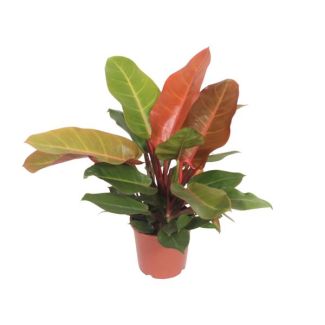
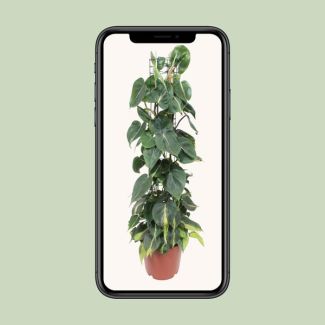
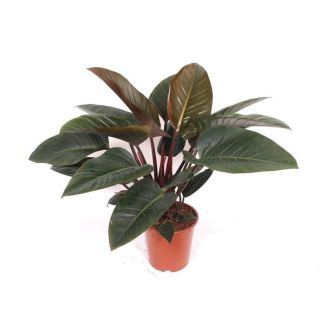
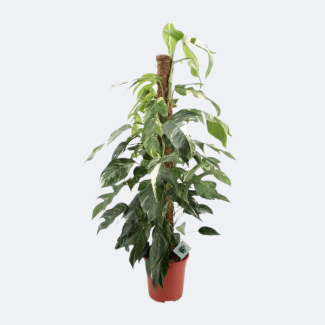
Common varieties include Heartleaf Philodendron (Philodendron scandens), Imperial Green, Birkin and Selloum. Each type has distinct leaf shapes and growth habits. For an overview, see Philodendron types.
Is Philodendron toxic to pets?
Philodendron is considered potentially toxic to cats and dogs if ingested. Symptoms may include drooling, oral irritation or vomiting. If you suspect your pet has eaten Philodendron, contact a veterinarian for advice. Always place plants out of reach of pets when possible.
Frequently asked questions about Philodendron
- What are the basic needs of a Philodendron?
- Philodendrons prefer bright, indirect light, moderate humidity, and soil that is allowed to dry slightly between waterings. Avoid overwatering and direct sunlight.
- Which Philodendron types are popular as houseplants?
- Popular types include Heartleaf Philodendron, Imperial Green, Birkin, Selloum and Xanadu. Each has unique leaf shapes and growth habits.
- Is Philodendron toxic to cats and dogs?
- Philodendron is considered potentially toxic to pets if ingested. If you suspect your pet has eaten any part of the plant, contact a veterinarian.
- How can I recognise problems with my Philodendron?
- Common signs of problems include yellowing leaves, brown tips, drooping or stunted growth. Check soil moisture, light levels and inspect for pests if symptoms persist.
- How do I propagate a Philodendron?
- Take a stem cutting with at least one node and root it in water or moist soil. For detailed steps, see our propagation guide.