
Pests on flamingoplant: What can you do?

Even with good care, flamingoplants (Anthurium) can sometimes attract pests. Early recognition and gentle prevention are key to keeping your plant healthy. Below you'll find practical advice for spotting and managing the most common pests on flamingoplants.
Common pests: spider mites, thrips, aphids
- Spider mites (tiny, red or yellowish mites) often create fine webbing on the undersides of leaves. They thrive in dry air and can cause leaves to look speckled or faded.
- Thrips are slender, fast-moving insects that leave silvery streaks or small black dots (droppings) on leaves and flowers. They can damage both foliage and blooms.
- Aphids are small, soft-bodied insects (green, black, or brown) that cluster on new growth. They can cause leaves to curl or become sticky from honeydew.
How to recognize a pest problem?
- Check the undersides of leaves for tiny insects, webbing, or sticky residue.
- Look for changes in leaf color, such as yellowing, silvery patches, or speckling.
- Inspect new growth and flowers for distortion or discoloration.
- If you notice a sudden decline in plant health, pests may be the cause.
Prevention: healthy care habits
- Keep your flamingoplant in a spot with good air circulation and avoid letting the air get too dry. Regularly misting the leaves (without soaking them) can help discourage spider mites.
- Wipe leaves gently with a damp cloth to remove dust and check for early signs of pests.
- Quarantine new plants for a couple of weeks before placing them near your flamingoplant.
- Remove any heavily infested leaves to limit spread.
When to seek professional help?
If pests persist despite your efforts, or if you notice widespread damage, consider consulting a plant specialist or local garden center for further advice. Some infestations may require targeted treatment.
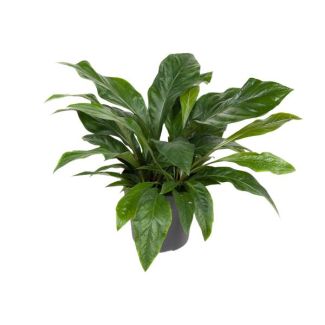
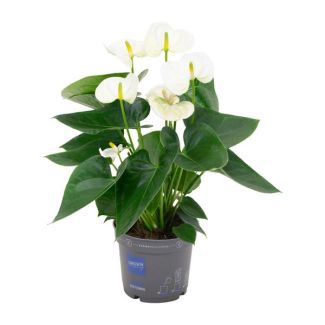
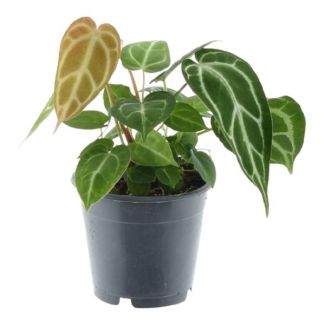
Popular Flamingoplant plants
Frequently asked questions about flamingoplant pests
- What pests can affect flamingoplant?
- The most common pests on flamingoplant are spider mites, thrips, and aphids. These insects can cause leaf discoloration, webbing, or sticky residue. Regular checks help catch problems early.
- How do I recognize spider mites or thrips?
- Spider mites are tiny and often leave fine webbing on the undersides of leaves. Thrips are slender and may cause silvery streaks or small black dots on leaves and flowers. Use a magnifying glass for a closer look if needed.
- Can I prevent pests through care?
- Yes, healthy care habits can reduce the risk of pests. Keep humidity up, clean leaves regularly, and inspect new plants before introducing them. However, even well-cared-for plants can sometimes attract pests.
Introgreen Plantcoach
Specialist in indoor plants
Start with a plant question
Choose a route or ask your own question below.