
Flamingoplant care: Practical tips

The flamingoplant (Anthurium) is a cheerful, flowering houseplant that brings a splash of colour to your home. With the right care, it can bloom for months and stay healthy for years. Below you'll find practical, step-by-step advice for keeping your flamingoplant happy indoors.
Light: bright, but avoid direct sun
- Place your flamingoplant in a spot with bright, indirect light. A few hours of morning or late afternoon sun is fine, but avoid harsh midday sunlight, which can scorch the leaves.
- Too little light may reduce flowering and cause leggy growth. Too much direct sun can lead to pale or brown-edged leaves.
Watering: keep the soil lightly moist
- Water when the top 2–3 cm of soil feels dry to the touch. In most homes, this means watering about once a week, but always check the soil first.
- Reduce watering in winter, as the plant grows more slowly.
- Empty any excess water from the saucer after watering to prevent root rot.
Humidity and temperature
- Flamingoplants prefer higher humidity (above 50%). If your home is dry, especially in winter, group plants together or place the pot on a tray with pebbles and water (without letting the pot sit in water).
- Keep the plant in a room between 18–25°C. Avoid cold drafts and sudden temperature changes.
Feeding and fertilising
- Feed your flamingoplant every 4–6 weeks during spring and summer with a balanced, liquid houseplant fertiliser, diluted to half strength.
- Do not fertilise in autumn and winter, when the plant is resting.
Pruning and removing old flowers
- Remove faded flowers and yellow or brown leaves by cutting them off at the base with clean scissors. This keeps the plant tidy and can encourage new blooms.
Repotting: when and how
- Repot your flamingoplant every 2–3 years, preferably in spring. Choose a pot just a few centimetres larger than the old one.
- Use a well-draining, airy potting mix. Many flamingoplants do well in a mix for aroids or orchids, but a standard houseplant mix with added perlite also works.
Encouraging blooms
- Consistent care is key: provide bright, indirect light, regular watering, and occasional feeding during the growing season.
- If your plant stops blooming, check the light level and avoid overwatering.
Common care mistakes
- Overwatering is the most common issue—always check the soil before watering.
- Placing the plant in direct, hot sunlight can cause leaf burn.
- Low humidity may cause brown leaf tips.
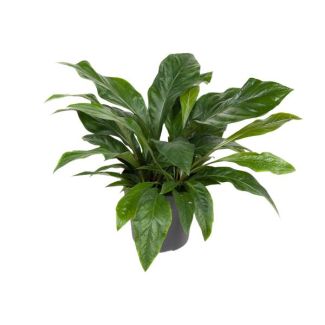
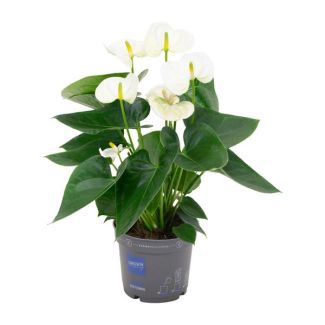
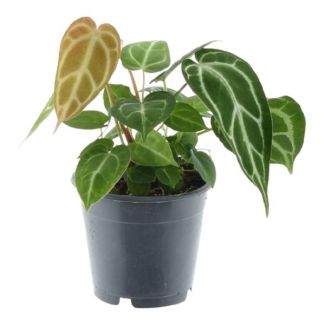
Popular Flamingoplant plants
Frequently asked questions about flamingoplant care
- How can I tell if my flamingoplant needs water?
- Check the top 2–3 cm of soil with your finger. If it feels dry, it's time to water. If it still feels moist, wait a few more days before checking again.
- How do I encourage my Anthurium to bloom again?
- Make sure your plant gets bright, indirect light and is not overwatered. Feed lightly during spring and summer. Removing faded flowers can also help stimulate new blooms.
- What type of potting soil is best for flamingoplants?
- Use a well-draining, airy potting mix. A mix for aroids or orchids is ideal, but a standard houseplant soil with added perlite also works well.
- Is the flamingoplant toxic to pets?
- Flamingoplants (Anthurium) can be toxic to cats and dogs if ingested. Symptoms may include irritation of the mouth, drooling, or vomiting. If you suspect your pet has eaten part of the plant, contact your veterinarian for advice.
- Place your flamingoplant in bright, indirect light.
- Water when the top 2–3 cm of soil feels dry.
- Maintain humidity above 50% if possible.
- Feed every 4–6 weeks in spring and summer.
- Remove faded flowers and yellow leaves as needed.
- Repot every 2–3 years in spring.
Introgreen Plantcoach
Specialist in indoor plants
Start with a plant question
Choose a route or ask your own question below.