
Ficus Types: Comparison & Selection Guide

Ficus lyrata (Fiddle Leaf Fig)
The Ficus lyrata is loved for its large, violin-shaped leaves and architectural look. It thrives in bright, indirect light, needs consistent (but not excessive) watering, and enjoys a stable spot away from drafts. Its size and striking foliage make it a popular statement plant. Keep in mind that lyrata appreciates higher humidity and can be sensitive to changes in environment.
Ficus elastica (Rubber Plant)
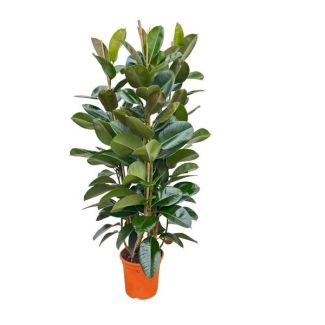
The rubber plant (Ficus elastica) stands out with thick, glossy leaves – often dark green, sometimes variegated. This Ficus is relatively forgiving, suited to moderately bright rooms, and requires watering once the topsoil feels dry. It's a good choice if you want a classic indoor look with less sensitivity to humidity or environmental changes compared to lyrata.
Ficus benjamina (Weeping Fig)
Known for its elegant, arching branches and smaller, glossy leaves, Ficus benjamina is a long-standing favorite. It likes stable conditions and bright, filtered light. Sudden changes or cold drafts may cause leaf drop, but with consistent care it can thrive for many years. This type fits well in living rooms, offices, or conservatories.
Ficus robusta & Other Variants
Ficus robusta is a cultivar of the elastica group, with broader, thicker leaves and a sturdy shape. There are also other cultivated forms such as Ficus microcarpa and Ficus Audrey, each offering different leaf shapes and sizes. Most variants have similar basic care needs: indirect light, moderate watering, and avoiding cold or very dry air.
Which Ficus Suits Your Living Room?
- For statement foliage: Choose Ficus lyrata or a large elastica.
- For compact spaces: Ficus benjamina or smaller robusta cultivars.
- For lower maintenance: Ficus elastica and robusta are generally more forgiving of care mistakes.
- For subtle variation: Look for variegated elastica or special cultivars in the category below.
Tips for Choosing a Ficus
- Check your room's natural light: most Ficus types need filtered daylight, but elastica tolerates some lower light.
- Decide on a leaf size and look that suits your space and style.
- If pets are in the home, remember that Ficus plants are mildly toxic if chewed.


Related advice about Ficus plants
Frequently Asked Questions about Ficus Types
- Which Ficus type grows the fastest?
- Ficus elastica and Ficus lyrata can grow rapidly with the right conditions—ample indirect light, warmth, and regular watering. Growth rates depend on species and environment, but elastica is generally considered one of the faster growers.
- Is there a Ficus suitable for low light?
- Ficus elastica tolerates lower light better than many other Ficus types. However, all Ficuses need at least some indirect daylight—absolute shade is not suitable.
- Which Ficus is the easiest to care for?
- Ficus elastica and robusta are known for being less sensitive to changes and forgiving of missed waterings. Ficus lyrata is more demanding regarding humidity and bright light, while benjamina can be sensitive to moving and environment changes.