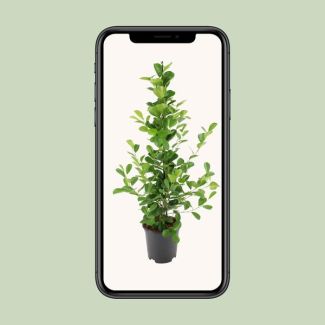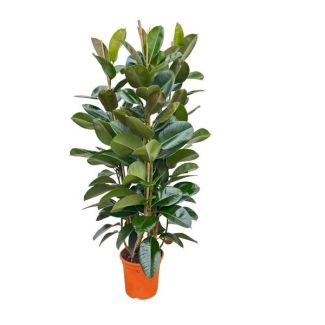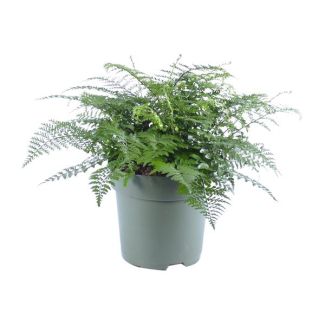
Ficus care: practical guide

Light requirements for Ficus
Most Ficus types appreciate a spot with plenty of indirect sunlight. Morning sun is ideal, but avoid harsh afternoon sun which can burn the leaves. Varieties like Ficus lyrata, elastica, and benjamina all do best near a bright window, but away from cold drafts or hot radiators. In low light, your plant may grow slower and suffer leaf loss.
How and when to water?
Let the top 2-3 cm of soil dry before watering again. Overwatering is the most common mistake—too much water can cause leaves to turn yellow and drop. Water less in winter and more in the growing months (spring to early autumn). Tip: Stick a finger in the soil to check for dryness before watering. Always use a pot with drainage holes.
Optimal humidity & environment
Ficus plants prefer regular household humidity (40-60%), but benefit from occasional misting, especially if your home is dry. Avoid placing your plant near heating vents or air conditioners. Wipe leaves gently with a damp cloth to remove dust and allow the plant to breathe better.
Feeding and fertilising
Feed your Ficus once a month during spring and summer with a balanced liquid fertiliser, at half the recommended dose. Do not fertilise in winter when the plant is resting. Overfeeding can do more harm than good, so when in doubt, use less rather than more.
Pruning and shaping
Regular pruning helps keep your Ficus compact and bushy. Prune in spring or early summer by cutting just above a leaf node. Remove dead or yellow leaves promptly. You can also pinch off the growing tips to encourage branching. Always use clean, sharp scissors.
When and how to repot?
Repot your Ficus every 2-3 years, or when roots grow out of the bottom of the pot. Choose a pot only one size bigger, as too much space may slow growth. Water lightly after repotting and give the plant a few weeks to adapt.
Common care mistakes
- Overwatering: causes root rot and yellowing leaves.
- Insufficient light: leads to dropping leaves and leggy growth.
- Sudden temperature changes: stress the plant and cause leaf loss.
- Neglecting to remove dust: blocks vital light from reaching leaves.
- Not checking for pests: small issues can get worse quickly.
Frequently asked questions about Ficus care
- Why is my Ficus losing leaves?
- Leaf loss can be caused by overwatering, not enough light, or sudden changes in temperature. Check if the plant is too close to a draft, receiving too little light, or the soil stays wet for long periods.
- Can my Ficus tolerate shade?
- Some Ficus types adapt to lower light, but all need some indirect light to stay healthy. In deep shade, growth will slow, and the plant may lose leaves. Try placing it closer to a window with filtered light.
- How often should I fertilise Ficus?
- During spring and summer, feed monthly with a weak liquid fertiliser. In autumn and winter, stop fertilising to let the plant rest.
- Is Ficus toxic to dogs and cats?
- Ficus is generally considered toxic to dogs and cats. Its sap can irritate the mouth, skin or stomach if leaves are chewed or swallowed. Keep the plant out of reach of pets and contact a veterinarian if symptoms occur or if you are unsure.
Step-by-step: Core Ficus care tips
- Place your Ficus in a spot with bright, indirect sunlight.
- Check soil moisture weekly; water only when the top layer is dry.
- Mist leaves occasionally and clean them with a damp cloth.
- Feed monthly during the growing season using diluted fertiliser.
- Prune in spring or early summer to encourage bushy growth.
- Repot every 2-3 years, or if roots start filling the pot.
- Watch out for common pests and address problems quickly.