
First Aid for Drought Stress
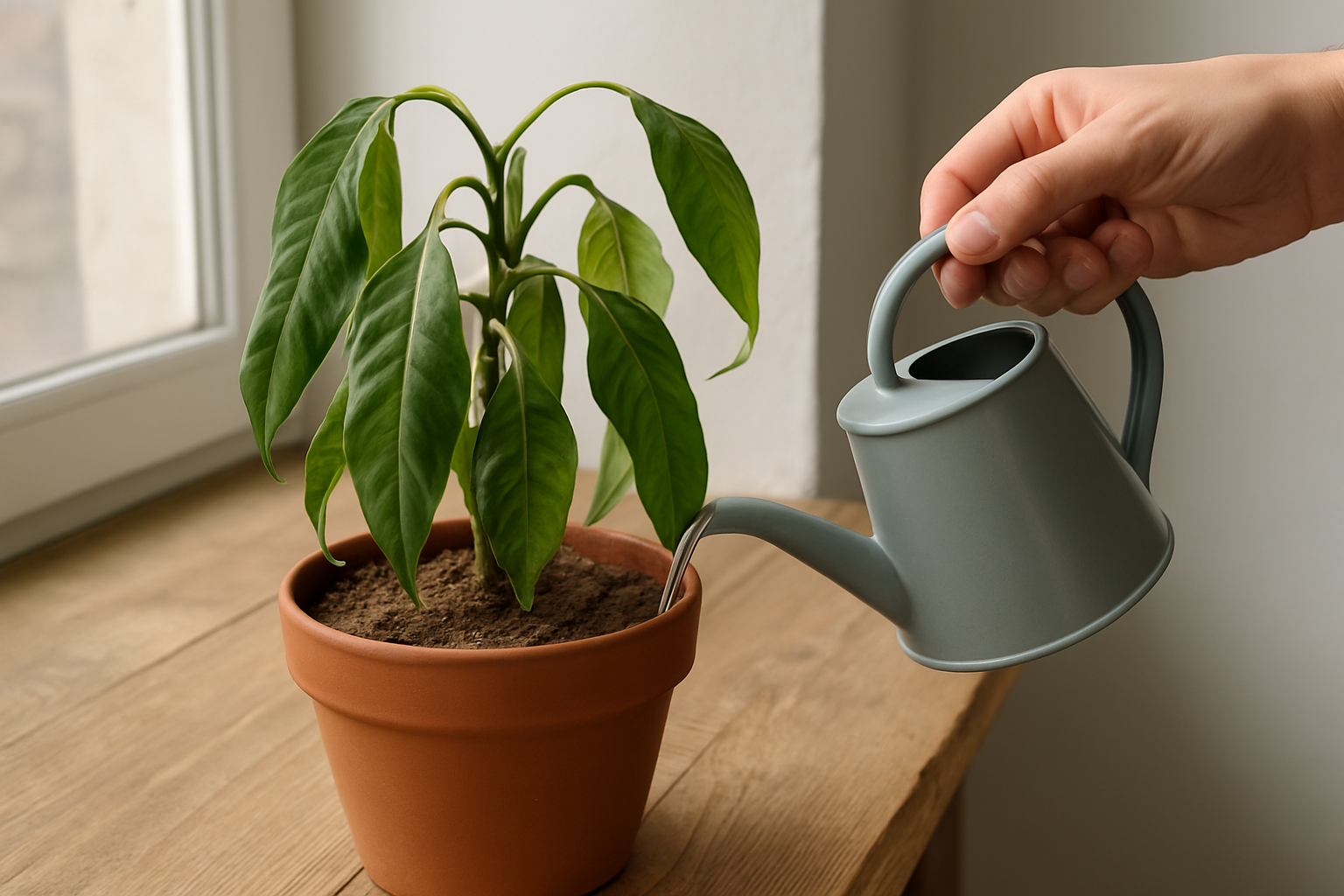
Noticed your plant looking limp, with dry soil and perhaps some brown edges? Drought stress can happen to any plant—indoors or out—especially after a forgotten watering or a hot spell. The good news: with a calm, step-by-step approach, many plants can recover well. Here’s how to help your plant safely bounce back without causing new problems.
Step 1: Stabilize the Location
Move the plant out of direct sunlight or away from heat sources if possible. For outdoor plants, provide temporary shade. This reduces further moisture loss while the plant recovers.
Step 2: Check the Root Ball and Soil
Gently press your finger into the soil. If it feels dry several centimeters down, the plant is likely suffering from drought stress. For potted plants, lift the pot—if it feels very light, the soil is probably dry throughout.
Step 3: Water Slowly and Evenly (Don’t Drown!)
Give small amounts of water at a time, allowing the soil to absorb it gradually. For very dry soil, water may run straight through—pause and repeat after a few minutes until the soil feels evenly moist but not soggy. Avoid flooding the pot, as roots stressed by drought are sensitive to sudden overwatering.
Step 4: Check Drainage and Roots
Ensure excess water can drain away freely. For potted plants, check that drainage holes are not blocked. If you suspect root rot (mushy, foul-smelling roots), remove the plant from its pot and trim away any dead roots before repotting in fresh, slightly moist soil.
Step 5: Wait and Observe Recovery
Give your plant time. Some leaves may not recover, but new growth can appear within a few weeks if roots are healthy. Avoid fertilizing or pruning heavily until the plant shows signs of recovery.
When to Seek Professional Help?
If your plant continues to decline after a week, or if most leaves are brown and crispy, recovery may be difficult. For valuable or large plants, consider consulting a local plant expert or nursery for tailored advice.
Related advice on drought stress
Frequently Asked Questions about First Aid for Drought Stress
- How much water should I give after drought stress?
- Start with small amounts and let the soil absorb the water slowly. Repeat as needed until the soil feels evenly moist, but avoid making it soggy. For most houseplants, this means watering in stages over 15–30 minutes.
- Should I repot my plant after drought?
- Repotting is not always necessary. Only repot if the roots are damaged or if the soil no longer absorbs water properly. Otherwise, allow the plant to recover in its current pot.
- How long does it take for a plant to recover from drought stress?
- Recovery time varies. Some plants perk up within a few days, while others may take several weeks to show new growth. If the roots are healthy, patience is key.
- Can I remove brown leaves?
- You can trim away completely brown or crispy leaves to tidy up the plant. However, avoid heavy pruning until you see signs of new growth.
- Is droogtestress toxic to dogs and cats?
- droogtestress is generally considered toxic to dogs and cats. Its sap can irritate the mouth, skin or stomach if leaves are chewed or swallowed. Keep the plant out of reach of pets and contact a veterinarian if symptoms occur or if you are unsure.
Introgreen Plantcoach
Plant advice and finder
Get help with plant care, plant problems and pests, or find suitable plants from the Introgreen assortment.