
Most Common Dracaena Problems
Dracaena plants are popular for their resilience, but they can still develop yellow, brown, or drooping leaves. This page helps you quickly recognise and solve the most frequent Dracaena issues—so your plant stays healthy and attractive.

Leaf Problems (Yellow, Brown, Wilted, Spots)
- Yellow leaves: Often caused by overwatering, poor drainage, or low light. Remove heavily yellowed leaves and adjust watering habits.
- Brown tips/edges: Usually a sign of dry air, underwatering, or too much fertilizer (salt build-up). Try misting occasionally and water only when the top 3-5 cm of soil feels dry.
- Wilted/drooping leaves: Can result from underwatering, cold drafts, or root damage. Check the soil moisture and avoid placing your plant near cold windows or heating sources.
- Spots or blotches: Can be due to abrupt changes in temperature or humidity, or prolonged wet leaves. Wipe leaves gently if they stay damp after misting.
Leaf Loss
It’s normal for older Dracaena leaves (especially lower ones) to yellow and eventually drop off as the plant grows. However, sudden or excessive leaf drop can mean:
- Too much water (roots can suffocate)
- Sudden temperature change or drafts
- Persistent pests
Remove fallen leaves and review watering and placement. If the main stalk feels soft or rotten at the base, root rot may be present—see the care page for help.
Poor Growth
- Little to no new growth: Likely poor light, infrequent watering, or a cramped pot. Dracaena can handle low light but will thrive with moderate indirect light. Consider repotting every few years if roots are crowded.
- Pale or leggy new leaves: Usually a sign of too little light. Move the plant closer to bright, indirect light (but avoid intense sun).
Causes & Quick Solutions
| Symptom | Likely Cause | Action |
|---|---|---|
| Yellow lower leaves | Natural aging, overwatering | Remove old leaves & check watering |
| Brown tips | Dry air, fluoride/chlorine, low humidity | Mist leaves, use clean water, keep air moist |
| Leaf drop | Under/overwatering, temperature swings | Stabilise environment, adjust watering |
| No growth | Low light, root-bound | More light, consider gentle repotting |
Could It Be a Pest?
If leaves turn yellow, become sticky, or develop webs, check for signs of pests like aphids, spider mites, or mealybugs. Early intervention limits damage.
Helpful Links
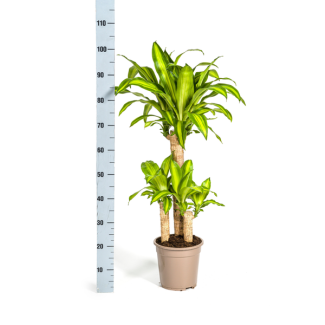
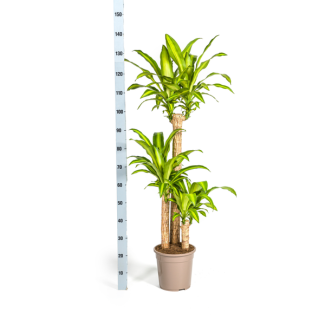
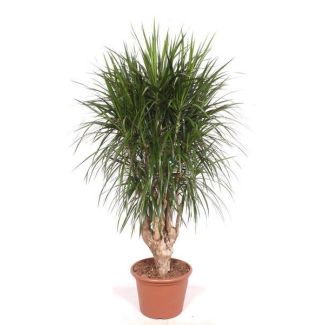
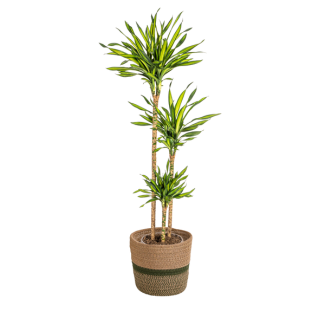
Popular dracaena plants
Frequently Asked Questions
- Why does my Dracaena get yellow or brown leaves?
- Yellowing or browning is most often due to too much or too little water, low humidity, or—less often—mineral build-up from tap water. Occasionally, pests or sudden drafts may also lead to discolouration.
- What should I do if leaves are falling off?
- It’s normal for the oldest leaves to shed, but if many leaves are dropping at once, review watering and watch for root rot or sudden temperature changes. Keep your Dracaena out of cold drafts and avoid soggy soil.
- How do I know if I am overwatering or underwatering?
- Overwatering leads to yellowing, soft or mushy stems, and possibly a damp smell. Underwatering usually causes dry, crispy brown tips and droopy leaves. Test the soil: dry several centimeters deep often means it’s time to water – but if it’s wet, wait longer.
Introgreen Plantcoach
Specialist in indoor plants
Start with a plant question
Choose a route or ask your own question below.