
Dracaena: your complete care guide

Introduction to Dracaena as a Houseplant
Dracaena is a popular choice for anyone looking to add lasting greenery to their home. These versatile indoor plants are known for their striking, sometimes variegated leaves, and ability to thrive with minimal fuss. With several beautiful varieties, Dracaena adapts well to ordinary home conditions and is valued for its air-cleaning abilities and easy-going nature.
Quick Care Overview
- Light: Prefers bright, indirect sunlight but can tolerate lower light too.
- Water: Let the top soil dry out before watering; avoid soggy roots.
- Humidity: Average indoor humidity is usually sufficient.
- Feeding: Light feeding during the growing season can support growth.
- Maintenance: Remove yellowing or damaged leaves as needed.
Guide to Popular Dracaena Varieties
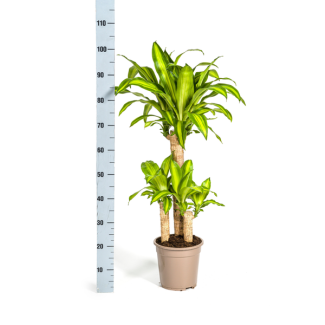
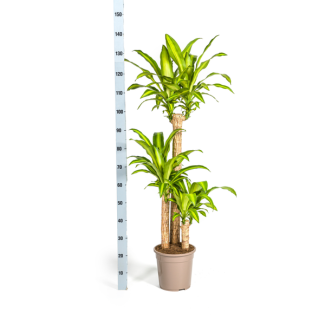
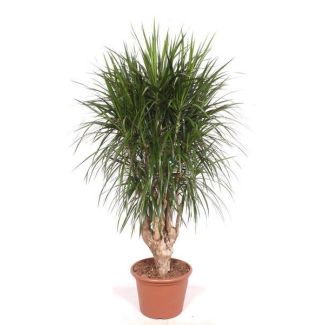
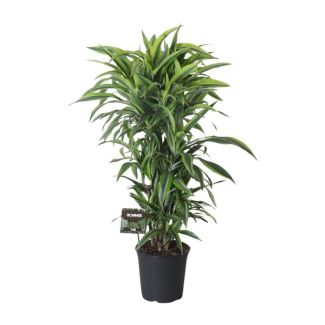
From the slender, upright Dracaena marginata to the broad-leaved Dracaena fragrans (‘Corn plant’), there’s a Dracaena for every space. Some varieties remain compact, while others can grow into large, statement plants. See our Dracaena types page for comparisons and inspiration.
Pet Safety: Is Dracaena Toxic?
Dracaena leaves are mildly toxic if ingested by cats and dogs and may cause vomiting, salivation or digestive upset. Place these plants out of reach of curious pets, or consider safe alternatives if you have especially playful animals at home.
Explore More About Dracaena
Frequently Asked Questions
- Is Dracaena toxic to dogs and cats?
- Yes, Dracaena can cause mild toxicity in pets if eaten. Keep out of reach of pets that like to chew on leaves.
- Which types of Dracaena are the most popular?
- Common favorites include Dracaena marginata, Dracaena fragrans, Dracaena compacta and Dracaena surculosa. Each variety offers unique leaf shapes and sizes.
- How often should I water my Dracaena?
- Water your Dracaena when the top 2-4 cm of soil feel dry, typically every 1–2 weeks depending on season and room temperature. Ensure excess water can drain away to prevent root rot.
Introgreen Plantcoach
Plant advice and finder
Get help with plant care, plant problems and pests, or find suitable plants from the Introgreen assortment.