
Banana Plant: Care, Problems and Types

Introduction to the Banana Plant as a Houseplant
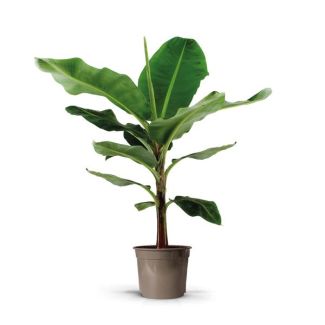
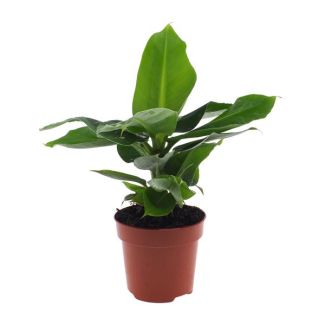
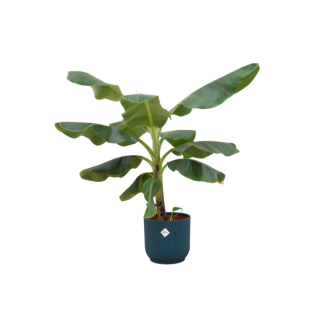
The banana plant (Musa spp.) is valued for its large, decorative leaves and tropical appearance. Indoors, it requires consistent care to thrive. While it rarely produces edible fruit inside, its foliage makes it a striking green addition to any room.
Overview of Banana Plant Care
- Needs bright, indirect light for healthy growth.
- Water when the top 2-3 cm of soil feels dry; avoid letting roots sit in water.
- Prefers high humidity and temperatures above 18°C.
- Feed with a balanced fertilizer during the growing season (spring and summer).
- Repot every 1-2 years or when roots outgrow the pot.
- Remove damaged or yellowing leaves as needed.
For detailed instructions, see Banana Plant Care: Light, Water & Maintenance.
Common Problems
Banana plants can develop yellow leaves, brown edges, drooping foliage, or stunted growth due to incorrect watering, low humidity, or insufficient light. Root rot is also a risk if the soil stays wet for too long. For troubleshooting, visit Banana Plant Problems: Identification & Solutions.
Pest Recognition
Typical pests include spider mites, thrips, and aphids. Early detection is important to prevent damage. Learn more about pest symptoms and management at Banana Plant Pests: Identification & Management.
Propagation
Banana plants are usually propagated by separating offsets (pups) from the main plant. This is best done in spring or early summer. For step-by-step guidance, see Banana Plant Propagation: Offsets & Tips.
Types and Varieties
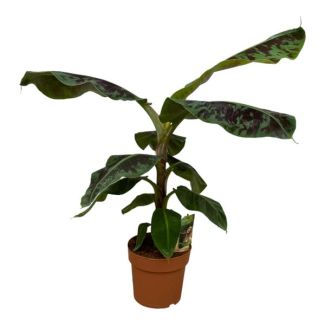
Popular indoor banana plant varieties include Musa acuminata, Musa dwarf cavendish, and Musa basjoo. Each has its own growth pattern and care needs. For a comparison, visit Banana Plant Types: Popular Varieties for Indoors.
Pet Safety
Banana plants (Musa spp.) are generally considered non-toxic to cats and dogs. However, individual reactions may vary. If your pet ingests plant material and shows symptoms, consult a veterinarian.
Related Advice Topics
Frequently Asked Questions
- Is the banana plant toxic to dogs and cats?
- Banana plants (Musa spp.) are generally considered non-toxic to cats and dogs. If your pet eats plant material and shows symptoms, contact your veterinarian.
- What are the most important care tips for a banana plant?
- Provide bright, indirect light, keep the soil evenly moist but not soggy, maintain high humidity, and feed during the growing season. Avoid cold drafts and repot when roots fill the pot.
- Which banana plant types are suitable as houseplants?
- Common indoor banana plants include Musa acuminata, Musa dwarf cavendish, and Musa basjoo. These varieties are selected for their manageable size and adaptability to indoor conditions.