
Areca palm: types and variations
The Areca palm (Dypsis lutescens) is a popular choice for indoor spaces due to its elegant, feathery leaves and adaptable growth. While Dypsis lutescens is the classic Areca palm, there are several related palm species and cultivars suitable for home environments. This page outlines the main types and their differences to help you select the right palm for your space.

Dypsis lutescens: the classic Areca palm
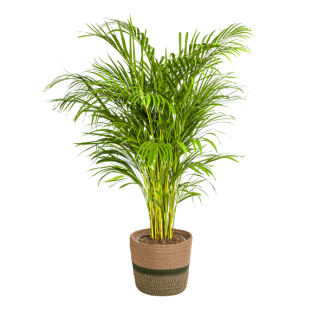
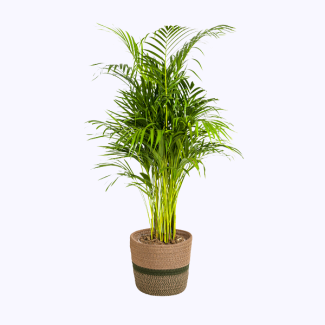
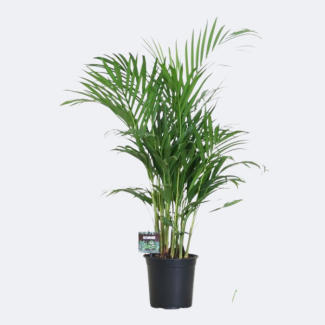
Dypsis lutescens, also known as the golden cane palm or butterfly palm, is the most common Areca palm for indoor use. It features multiple thin stems and arching, feather-like fronds. Mature plants can reach 1.5 to 2.5 meters indoors, but growth is gradual. The leaves are bright green with a slight yellow tint, especially on the stems.
Other popular indoor palm species
Besides Dypsis lutescens, other palm species are often grouped with Areca palms for indoor use. Examples include:
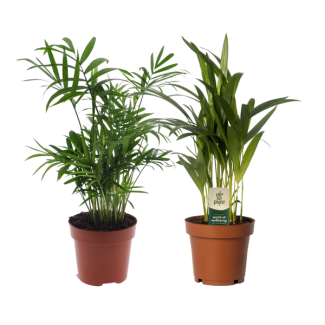
- Chamaedorea elegans (Parlour palm): Compact, slow-growing, and tolerant of lower light.
- Howea forsteriana (Kentia palm): Larger, with broader fronds and a more upright habit.
- Rhapis excelsa (Lady palm): Fan-shaped leaves and a bushy appearance.
While these are not true Areca palms, they are often considered as alternatives due to similar care requirements and appearance.
Differences in size and leaf structure
Areca palms and related species vary in mature size, leaf shape, and growth habit. Dypsis lutescens typically has slender, arching fronds and forms dense clumps. Kentia palms grow taller and more upright, while parlour palms remain compact. Leaf color may range from bright green to deep green, depending on the species and light conditions.
Which Areca palm suits your space?
Consider the available space, light level, and desired look when choosing a palm. For smaller rooms or desks, a young Dypsis lutescens or parlour palm is suitable. For larger spaces, mature Areca or Kentia palms provide more impact. Always check the plant's mature size and growth rate before purchase.
Frequently asked questions about Areca palm types
- Which types of Areca palm are suitable for indoors?
- Dypsis lutescens is the classic Areca palm for indoor use. Other palms like Chamaedorea elegans (parlour palm) and Howea forsteriana (Kentia palm) are also popular for similar conditions, though they are different species.
- What is the difference between Areca palm and other palms?
- Areca palms (Dypsis lutescens) have thin, arching fronds and grow in dense clumps. Other palms, such as Kentia or parlour palms, differ in leaf shape, size, and growth habit. Care requirements are similar but not identical.
- How do I choose the right Areca palm for my home?
- Consider the available space, light level, and the plant's mature size. Smaller palms suit desks or shelves, while larger specimens are better for open areas. Check the specific needs of each species before buying.
Introgreen Plantcoach