
Areca palm: care, problems and types

Introduction to the Areca palm
The Areca palm (Dypsis lutescens), also known as the butterfly palm, is a popular indoor plant valued for its feathery fronds and air-purifying qualities. It is commonly used to add a tropical touch to living rooms and offices. While generally robust, the Areca palm requires specific care to stay healthy indoors.
Quick care tips
- Place in bright, indirect light. Avoid direct sun, which can scorch the leaves.
- Water when the top 2–3 cm of soil feels dry. Do not let the roots sit in water.
- Maintain moderate humidity and avoid cold drafts.
- Fertilize lightly during the growing season (spring and summer).
- Remove yellow or brown leaves with clean scissors.
Pet safety
The Areca palm is generally considered non-toxic to cats and dogs. However, individual sensitivities can vary, and it is best to prevent pets from chewing on any houseplant. If you have concerns about pet safety, consult your veterinarian for advice specific to your situation.
Overview: care, problems, pests, propagation, types
- Care instructions: Watering, light, humidity, and maintenance.
- Common problems: Yellow leaves, brown tips, and leaf drop.
- Pest management: Identifying and addressing common pests.
- Propagation: How to divide or propagate your Areca palm.
- Types and varieties: Choosing the right Areca palm for your space.
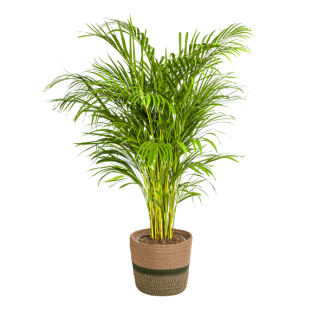
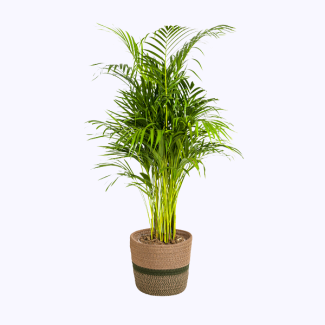
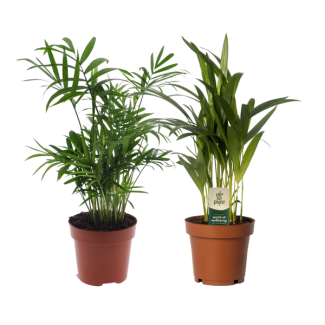
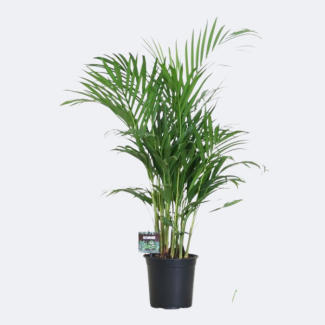
Popular Areca-palm plants
Frequently asked questions about the Areca palm
- Is the Areca palm toxic to cats and dogs?
- The Areca palm is generally considered non-toxic to cats and dogs. However, if your pet shows unusual symptoms after contact with any plant, consult a veterinarian.
- How often should I water an Areca palm?
- Water when the top 2–3 cm of soil feels dry. Overwatering can cause root rot, so always check the soil before watering.
- What is the best location for an Areca palm?
- Place the Areca palm in a spot with bright, indirect light. Avoid direct sunlight and cold drafts for best results.