
Aloe vera pests and diseases: Identification and prevention

Common pests on Aloe vera
Aloe vera grown indoors can be affected by several pests. The most common are:
- Mealybugs: Small, white, cotton-like insects found in leaf axils or on roots.
- Spider mites: Tiny, red or brown mites that create fine webs, often on the underside of leaves.
- Aphids: Small green, black or brown insects that cluster on new growth.
- Scale insects: Hard, brown bumps attached to stems or leaves.
Symptoms and signs
- Sticky residue (honeydew) on leaves or nearby surfaces
- White, cottony masses (mealybugs)
- Fine webbing, especially between leaves (spider mites)
- Yellowing, speckled, or deformed leaves
- Brown or black bumps (scale insects)
Check your Aloe vera regularly, especially on the undersides of leaves and in tight leaf bases.
Prevention tips
- Place Aloe vera in a spot with good air circulation and sufficient light.
- Avoid overwatering; allow the soil to dry out between waterings.
- Inspect new plants before bringing them indoors.
- Remove fallen leaves and debris from the pot surface.
Natural control methods
- Remove visible pests by hand or with a soft brush.
- Wipe affected leaves gently with a damp cloth.
- Isolate infested plants to prevent spread.
- Repeat checks weekly until the problem is resolved.
If pests persist or spread, consider consulting a professional for further advice.
When to seek professional help
If you notice extensive damage, rapid pest spread, or if natural measures are not effective after several weeks, contact a plant specialist or horticulturist for tailored advice.
Popular Aloe-vera plants
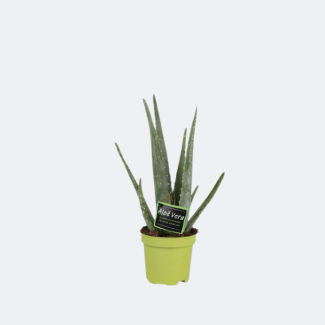
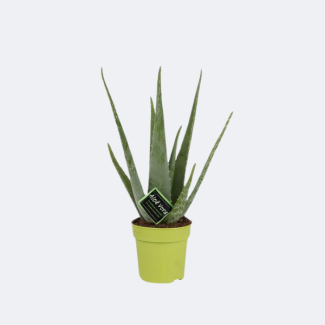


Frequently asked questions about Aloe vera pests
- What pests are common on Aloe vera?
- The most common pests on Aloe vera indoors are mealybugs, spider mites, aphids, and scale insects. Regular inspection helps detect them early.
- How can I recognise mealybugs on my Aloe vera?
- Mealybugs appear as small, white, cotton-like clusters, often in leaf axils or on roots. They may leave a sticky residue on leaves.
- What can I do against spider mites or aphids?
- Remove affected leaves if possible, wipe the plant gently with a damp cloth, and increase humidity slightly. Isolate the plant to prevent spread. Persistent infestations may require professional advice.