


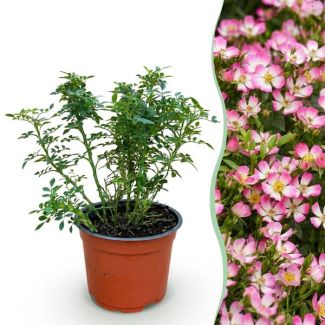
Great cat's tail – Lythrum salicaria | ↕10-25 cm | Ø9 cm
Great cat's tail
Lythrum salicaria
Only %1 left
Frequently Asked Questions
What are the light requirements for Great Cat's Tail?
Great Cat's Tail prefers sun to partial shade.
How often should I water Great Cat's Tail?
Water regularly, especially during dry periods, as it prefers a permanently moist soil.
Is Great Cat's Tail toxic to pets?
No, Great Cat's Tail is not toxic to humans and pets.
What is the winter hardiness of Great Cat's Tail?
Great Cat's Tail is very winter hardy and reliable.
What type of soil does Great Cat's Tail thrive in?
It thrives in nutrient-rich and moist to wet soil.
Details
Great Cat's Tail
Lythrum salicaria
Lythrum salicaria is a powerful, native perennial plant with upright flowering stems and striking purple-pink flowers in long spikes. This plant is particularly suitable for moist borders, natural gardens, and banks and is very valuable for bees, butterflies, and other insects.
Latin name: Lythrum salicaria
Dutch name: Great Cat's Tail
Height: 10–25 cm
Mature height: 80–120 cm
Width: 40–60 cm
Leaf: Fresh green, lance-shaped
Flowers: Purple-pink, in long flower spikes
Flowering period: June – August
Growth habit: Upright and clump-forming
Light requirement: Sun to partial shade
Soil: Nutrient-rich and moist to wet
Moisture: Prefers a permanently moist soil
Pot size: Ø9 cm
Pruning: Cut back above ground in autumn or early spring
Watering: Water regularly, especially during dry periods
Fertilization: Some compost or organic fertilizer in spring
Winter hardiness: Very winter hardy and reliable
Toxic: No, not toxic to humans and pets
Why choose Lythrum salicaria?
Rich flowering with striking color, ideal for moist locations, native plant with high ecological value, strong and low maintenance
More Information
| Titel 2 | Lythrum salicaria |
|---|---|
| Plant height | 10-25 |
| Pot size | 9 |
| Toxic | No |
| Botanical name | Lychnis |
| Decorative pot | Without pot |
| Delivery time in days | 1-5 |
Reviews
Write Your Own Review