

Chinese Fan Palm – Trachycarpus wagnerianus | ↕130 cm | Ø30 cm
Frequently Asked Questions
What is the ideal light condition for the Chinese Fan Palm?
The Chinese Fan Palm thrives in sunny to partially shaded spots; more sunlight promotes faster growth.
How often should I water my Trachycarpus wagnerianus?
Water regularly during dry periods, especially for young plants, and ensure good drainage.
Is the Chinese Fan Palm toxic to pets or children?
No, Trachycarpus wagnerianus is not toxic, making it safe for gardens where children or pets play.
What type of soil is best for the Chinese Fan Palm?
A nutrient-rich, well-draining soil is ideal; palm soil can be used in pots.
How winter hardy is the Chinese Fan Palm?
This palm is fully hardy down to about -12 °C, but young plants should be protected during severe frost.
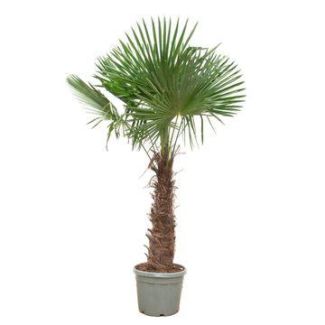
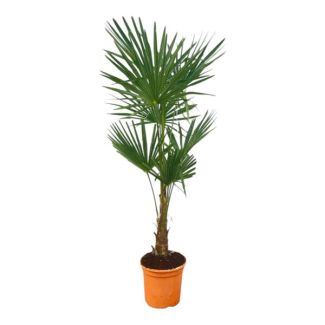
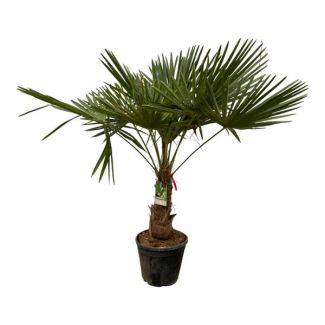
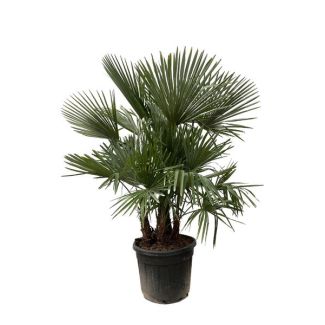
Chinese fan palm ‘Wagnerianus’.
The compact fan palm with character
The Trachycarpus wagnerianus is an elegant, slow-growing fan palm known for its compact size and robust, stiff leaves. Unlike its more famous sibling, the Trachycarpus fortunei, this palm has sturdier fan-shaped leaves that tear less quickly in the wind. This makes it extremely suitable for the Dutch climate and for smaller gardens, balconies, or terraces.
With its tropical appearance, calm growth, and sturdy look, the Wagner palm is an eye-catcher that lasts for years. Its steadfast character also provides a green accent to your outdoor space in winter.
Why choose Trachycarpus wagnerianus?
Evergreen: This palm retains its leaves all year round, even in colder months.
Wind-resistant: Ideal for windy locations due to its compact, sturdy leaves.
Suitable for small spaces: Compact growth makes it perfect for terraces, city gardens, or patios.
Low maintenance: A strong plant that requires little care.
Location: Sunny to partially shaded spot; the more sun, the faster the growth.
Water: Water regularly during dry periods, especially for young plants. Ensure good drainage.
Soil: Nutrient-rich, well-draining soil. Optionally use palm soil in pots.
Winter protection: Fully hardy down to about -12 °C. Protect or wrap young plants temporarily during severe frost.
Fertilization: Provide liquid fertilizer for palms occasionally during the growing season (spring/summer).
Toxic: No, Trachycarpus wagnerianus is not toxic to humans or animals. Therefore, this palm is also safe in gardens where children or pets play.
Why does my Trachycarpus sometimes have broken or cut leaves;
The Trachycarpus Fortunei is known for its robust appearance, where broken leaf tips or small imperfections on the leaves are very normal. These characteristics may seem unusual at first, but they are part of the natural growth process of this palm.
Our growers; consciously apply a commonly used technique where the tips of the leaves are slightly shortened. This encourages the plant to grow more compact and stronger. Especially in younger palms, this promotes the formation of new, healthy, fan-shaped leaves.
In short: there is nothing wrong with the plant. This appearance is typical for the Trachycarpus and contributes to healthy and vigorous growth.
"Bring subtle tropics to your garden – green, sturdy, and surprisingly winter hardy all year round."
| Titel 2 | Trachycarpus wagnerianus |
|---|---|
| Plant height | 130 |
| Pot size | 30 |
| Toxic | No |
| Botanical name | Trachycarpus |
| Decorative pot | Without pot |
| Delivery time in days | 5 |
| ean | 8721143630887 |
| Quantity in package | 1 |
| verpakking gewicht | 150 g |