Vaccinium Early Black commonly known as the
cranberry, is a plant species that is particularly known for its small, dark red fruits that are used in a wide range of culinary applications, such as juices, sauces, and pastries.
A number of features and care tips for this shrub are;
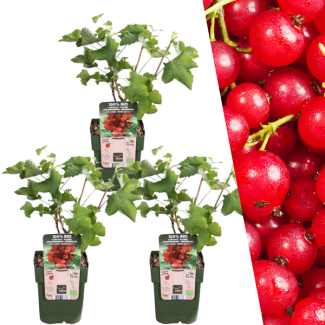
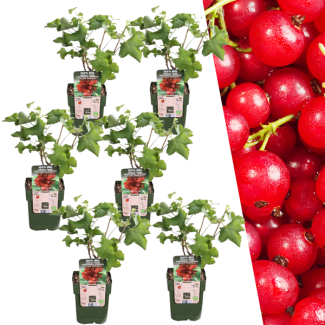
Fruits: Vaccinium Early Black produces small, round, dark red fruits, known as cranberries. These fruits have a characteristic sour taste and are often used in various dishes, especially in cranberry sauce and cranberry cocktails.
Leaves: The leaves of the cranberry are small, leathery, and glossy green in color. They are often retained during the winter, which adds to the attractiveness of the plant, especially in colder climates.
Growth form: Vaccinium Early Black (Cranberry) is a creeping, evergreen plant that spreads horizontally via runners, creating dense carpets of vegetation. It is a low-growing plant that typically does not exceed a few centimeters in height.
Sunlight: Plant cranberries in a location with full sun to partial shade for optimal growth and fruiting. They require plenty of sunlight to thrive and produce fruit.
Soil: Ensure acidic, moist, and well-draining soil. Cranberries prefer peaty or sandy soils with a low pH value.
Watering: Keep the soil evenly moist, especially during dry periods and throughout the growing season. Water regularly to prevent drying out, but avoid having the soil constantly soggy.
Harvest: Harvest cranberries in the fall, usually from September to November, when the fruits are fully ripe and have reached a deep red color.