
Zamioculcas (ZZ plant): Advice & Care

Introduction to Zamioculcas
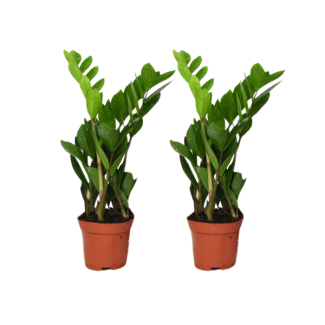
The Zamioculcas zamiifolia, commonly known as the ZZ plant, is a popular houseplant valued for its tolerance of low light and irregular watering. Its upright, glossy leaves make it suitable for many indoor environments. While generally low-maintenance, understanding its specific needs helps prevent common issues.
Care Summary
- Light: Thrives in bright, indirect light but tolerates shade. Avoid direct sun for extended periods.
- Water: Allow the top 3-5 cm of soil to dry before watering. Overwatering is a common cause of problems.
- Humidity: Average indoor humidity is sufficient. No special misting required.
- Soil: Use well-draining potting mix. Avoid compacted or water-retentive soils.
- Feeding: Fertilize lightly during the growing season (spring and summer) if desired.
- Pruning: Remove yellow or damaged leaves as needed.
For detailed care instructions, see Zamioculcas Care Guide.
Common Problems
Yellow leaves, drooping stems, and root rot are the most frequent issues. These are often caused by overwatering or poor drainage. For troubleshooting and solutions, visit Zamioculcas Problems.
Pests and Diseases
The ZZ plant is generally resistant to pests, but spider mites, mealybugs, and thrips can occasionally occur. Early detection and prompt action are important. Read more at Zamioculcas Pests & Diseases.
Propagation
Zamioculcas can be propagated by leaf or root division. Both methods require patience, as root development is slow. For step-by-step instructions, see Zamioculcas Propagation.
Types and Varieties
There are several Zamioculcas varieties, including the standard green form and the dark-leaved 'Raven'. Differences in growth and care are minor. For an overview, visit Zamioculcas Types & Varieties.
Is Zamioculcas Toxic to Pets?
All parts of the Zamioculcas are considered toxic if ingested by cats, dogs, or humans. Symptoms may include irritation or digestive upset. Keep out of reach of pets and children. If ingestion is suspected, consult a veterinarian or medical professional.

More About Zamioculcas
Frequently Asked Questions
- How much light does a Zamioculcas need?
- The ZZ plant grows best in bright, indirect light but will tolerate low light. Avoid placing it in direct sunlight for long periods, as this can cause leaf scorch.
- How often should I water a Zamioculcas?
- Water only when the top 3-5 cm of soil feels dry. In most indoor conditions, this means watering every 2-4 weeks. Overwatering is a common cause of yellow leaves and root rot.
- Is Zamioculcas toxic to cats or dogs?
- Yes, all parts of the ZZ plant are considered toxic if ingested by pets or humans. Keep the plant out of reach and consult a veterinarian if ingestion occurs.
- What are common problems with Zamioculcas?
- Common issues include yellowing leaves (often from overwatering), drooping stems, and root rot. Pest infestations are rare but possible. For solutions, see the problems page.