
Yucca types: Which one suits you?

Introduction to Yucca types
Yucca is a genus of evergreen plants known for their sword-shaped leaves and architectural appearance. While many Yucca species exist, only a few are commonly grown as indoor plants. Choosing the right type depends on your available space, light conditions, and personal preference for leaf shape and growth habit.
Yucca elephantipes (Spineless Yucca)
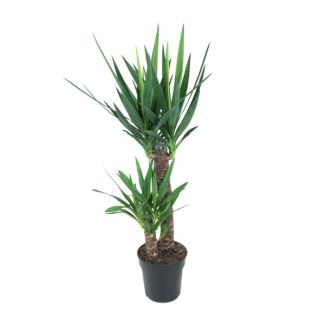
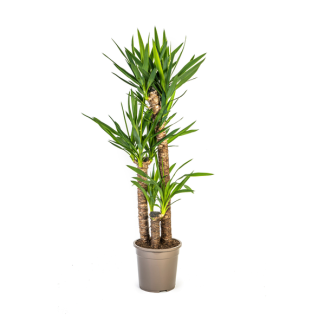
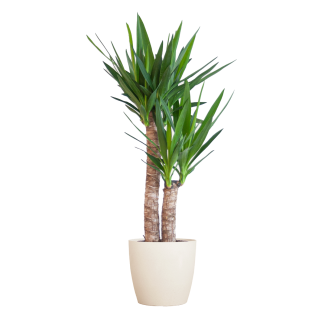
Yucca elephantipes, also called Spineless Yucca or Giant Yucca, is the most popular indoor variety. It features broad, flexible leaves without sharp tips, making it less likely to cause accidental injury. This species can grow into a small indoor tree over time and tolerates a range of light conditions, though it prefers bright, indirect light. Growth is generally slow indoors.
Yucca aloifolia (Spanish Bayonet)
Yucca aloifolia, known as Spanish Bayonet, has stiff, narrow leaves with sharp tips. It is less commonly used as a houseplant due to its spiky foliage, but it can be grown indoors with care. This species tends to stay more compact than Y. elephantipes and prefers bright light. Handle with caution to avoid injury from the pointed leaves.
Other popular Yucca varieties
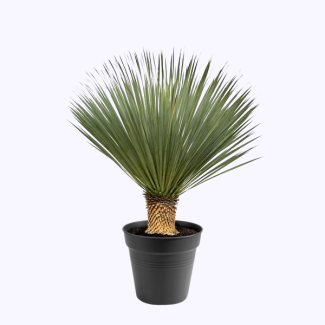
- Yucca rostrata: Recognized for its thin, blue-green leaves and spherical crown. Usually grown as a specimen plant and requires very bright light indoors.
- Yucca filamentosa: Sometimes grown indoors, but more often used outdoors. It has narrow leaves with curly threads along the edges.
- Yucca gloriosa: Compact growth and stiff leaves, sometimes available as an indoor plant.
Availability of these types may vary by region and supplier.
What to consider when buying a Yucca
- Check the plant for healthy, firm leaves without extensive browning or soft spots.
- Choose a size that fits your space, as some Yuccas can grow tall over time.
- Ask about the specific species or cultivar, as care needs and growth rates can differ.
- If you have pets or young children, consider a spineless type such as Y. elephantipes and place the plant out of reach.
Care differences between Yucca types
Most indoor Yuccas prefer bright, indirect light and well-draining soil. Watering needs are similar: allow the top few centimeters of soil to dry out before watering again. Species with thinner leaves, such as Y. rostrata, may require more light and drier conditions. Always adjust care based on the specific type and your indoor environment.
Frequently asked questions about Yucca types
- Which Yucca types are suitable as houseplants?
- Yucca elephantipes is the most common indoor species due to its flexible, spineless leaves. Yucca aloifolia and Yucca rostrata can also be grown indoors if provided with enough light and space. Always check the specific needs of the species before purchase.
- What is the difference between Yucca elephantipes and Yucca aloifolia?
- Yucca elephantipes has broad, flexible leaves without sharp tips and grows taller over time. Yucca aloifolia has narrower, stiff leaves with sharp points and stays more compact. The choice depends on your preference for leaf shape and safety considerations.
- Which Yucca grows the fastest?
- Yucca elephantipes generally grows faster than other indoor Yucca species, especially in bright, indirect light. Growth rates can vary based on care and environment.
- What should I consider when choosing a Yucca?
- Consider available space, light conditions, and whether you need a spineless variety for safety. Inspect the plant for healthy leaves and ask about the species to ensure it matches your care abilities and home environment.