
Succulent Propagation: Step-by-Step Guide
Propagating succulents is a rewarding way to grow new plants from your existing collection. Whether you want to multiply your favorites or rescue a struggling plant, this guide will walk you through the main methods: leaf and stem cuttings, and seed propagation. Each step is practical and suitable for indoor gardeners.

Leaf and Stem Cuttings
Most succulents can be propagated from leaves or stem cuttings. This method is especially popular for varieties like Echeveria, Sedum, and Crassula.
- Select a healthy leaf or stem: Choose a mature, undamaged leaf or a firm stem. Gently twist the leaf from the stem, ensuring you get the whole base. For stem cuttings, use clean scissors to cut just below a leaf node.
- Let it dry: Place the leaf or stem on a dry surface out of direct sunlight. Allow it to dry for 1–3 days until the cut end forms a callus. This helps prevent rot.
- Place on soil: Lay the callused leaf on top of well-draining succulent soil. For stem cuttings, insert the cut end lightly into the soil.
- Mist lightly: Mist the soil with water every few days, keeping it just barely moist. Avoid soaking the soil, as excess moisture can cause rot.
- Wait for roots and new growth: Roots usually appear within 2–6 weeks. Once small plants form, you can reduce misting and water only when the soil is dry.
Growing Succulents from Seed
Seed propagation is slower but can be rewarding if you want to try new varieties. Use fresh seeds and a shallow tray with well-draining soil.
- Fill a tray with succulent soil: Moisten the soil lightly before sowing.
- Sow seeds on the surface: Sprinkle seeds evenly and do not cover them, as most succulent seeds need light to germinate.
- Cover and keep moist: Cover the tray with a clear lid or plastic wrap to maintain humidity. Mist the surface regularly to keep it slightly damp, not wet.
- Provide bright, indirect light: Place the tray in a warm spot with plenty of indirect sunlight.
- Wait for germination: Seeds may sprout in 1–4 weeks, depending on the species. Remove the cover once seedlings appear and gradually reduce humidity.
Preparation and Supplies
- Healthy parent plant
- Clean scissors or knife (for stem cuttings)
- Shallow tray or small pots
- Well-draining succulent soil
- Spray bottle for misting
- Clear cover or plastic wrap (for seeds)
Common Mistakes in Propagation
- Overwatering: Too much moisture can cause cuttings or seeds to rot. Always let cut ends callus and keep soil just barely moist.
- Insufficient light: Place cuttings and seedlings in bright, indirect light. Avoid direct sun, which can scorch young plants.
- Using damaged leaves: Only healthy, whole leaves will root successfully. Damaged or incomplete leaves rarely produce new plants.
- Impatience: Rooting and growth can take several weeks. Avoid disturbing cuttings during this period.
Popular succulents
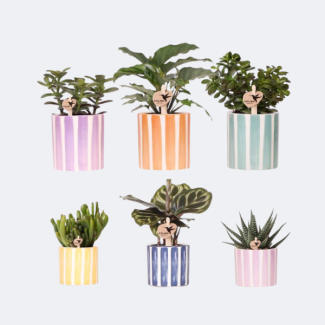
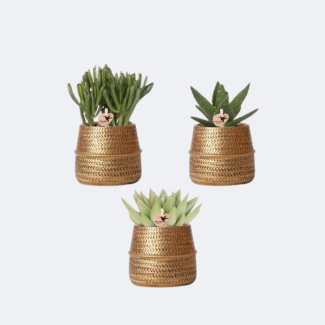

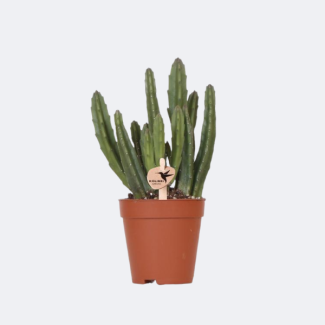
Frequently Asked Questions about Succulent Propagation
- How long does it take for a succulent cutting to root?
- Most succulent cuttings develop roots within 2 to 6 weeks, depending on the species and environmental conditions. Warmer temperatures and bright, indirect light can speed up the process.
- Can I use any leaf from a succulent for propagation?
- Not every leaf will root successfully. Choose mature, healthy leaves that detach cleanly from the stem. Damaged or incomplete leaves are less likely to produce new plants.
- What is the best time of year to propagate succulents?
- Spring and early summer are generally the best times to propagate succulents, as plants are actively growing and conditions are favorable for root development.