
Epipremnum Propagation: Step-by-Step Guide

When to Propagate Epipremnum?
The best time to propagate Epipremnum is in spring or early summer, when the plant is actively growing. Warmer temperatures and longer days support healthy root development. Avoid propagation during winter, as growth slows and cuttings may root poorly.
What Do You Need?
- Sharp, clean scissors or pruning shears
- Healthy Epipremnum stems with at least one node (the small bump where leaves and roots grow)
- Small glass or jar with clean water or a small pot with well-draining potting mix
- Optional: Transparent plastic bag (for humidity when rooting in soil)
Step-by-Step: Propagating in Water
- Choose a healthy stem with at least one node and one or two leaves. Avoid stems with signs of disease or rot.
- Cut just below a node using clean scissors.
- Remove any leaves that would sit below the water line.
- Place the cutting in a glass of water, ensuring the node is submerged but leaves stay above water.
- Put the glass in a spot with bright, indirect light. Avoid direct sunlight.
- Change the water every 5–7 days to prevent stagnation and rot.
- Roots usually appear within 2–4 weeks. Once roots are at least 5 cm long, transfer the cutting to soil if desired.
Step-by-Step: Propagating in Soil
- Prepare a small pot with moist, well-draining potting mix.
- Take a healthy cutting with at least one node.
- Insert the node about 1–2 cm deep into the soil. Firm the soil gently around the stem.
- Keep the soil lightly moist but not soggy. Covering the pot with a transparent plastic bag can help maintain humidity, but ensure some airflow to prevent mold.
- Place the pot in bright, indirect light.
- Roots should develop in 3–5 weeks. Gently tug the cutting after a few weeks to check for resistance, which indicates rooting.
Common Mistakes
- Using dull or dirty scissors, which can introduce disease
- Leaving leaves submerged in water, leading to rot
- Placing cuttings in direct sunlight, which can scorch leaves
- Overwatering soil cuttings, causing stem rot
- Transferring water-rooted cuttings to soil too early (wait until roots are at least 5 cm long)
Caring for Young Cuttings
After rooting, keep young Epipremnum plants in a warm spot with indirect light. Water when the top 2–3 cm of soil feels dry. Avoid fertilizing until the plant shows new growth. Gradually acclimate water-rooted cuttings to soil by keeping the soil evenly moist for the first few weeks after transplanting.
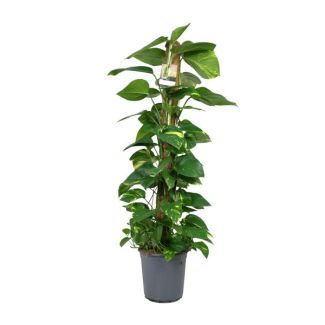
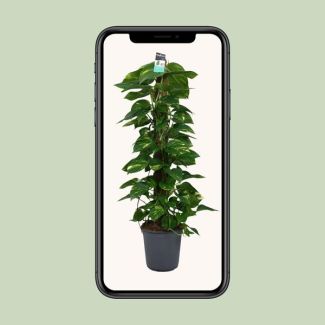
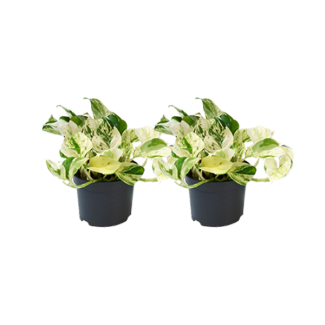
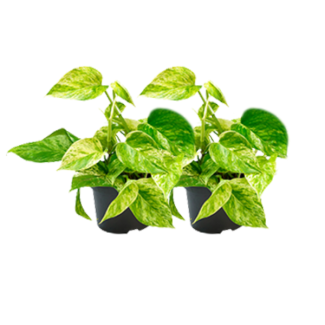
Popular Epipremnum plants
Frequently Asked Questions
- How do I propagate Epipremnum?
- You can propagate Epipremnum by taking a stem cutting with at least one node and rooting it in water or directly in soil. Both methods are effective if you use healthy material and provide bright, indirect light.
- What is the best time to take Epipremnum cuttings?
- Spring and early summer are best, as the plant is actively growing and roots form more quickly. Avoid propagation in winter when growth is slow.
- Should I root Epipremnum cuttings in water or soil?
- Both methods work. Water rooting allows you to monitor root growth, while soil rooting avoids transplant shock. Choose the method that fits your preference and environment.
Introgreen Plantcoach
Specialist in indoor plants
Start with a plant question
Choose a route or ask your own question below.