
Epipremnum pests & diseases

Common pests (spider mites, thrips, aphids)
Epipremnum (Devil's Ivy) can be affected by several pests indoors. The most common are:
- Spider mites: Tiny, often red or yellowish, and may leave fine webbing on leaves and stems.
- Thrips: Small, slender insects that move quickly and can cause silvery or distorted patches on leaves.
- Aphids: Small green, black, or brown insects found on new growth, often in clusters.
Recognizing symptoms
- Spider mites: Look for fine webbing, yellow stippling, or dry, speckled leaves. Leaves may feel rough to the touch.
- Thrips: Silvery streaks, deformed leaves, or black specks (droppings) on the leaf surface.
- Aphids: Sticky residue (honeydew), curled or misshapen new leaves, and visible clusters of insects.
Check the undersides of leaves and along stems regularly, especially if plant health declines.
Natural prevention
- Rinse leaves gently with lukewarm water to remove dust and some pests.
- Increase air circulation around the plant to discourage pest buildup.
- Isolate new or infested plants to prevent spread.
- Wipe leaves with a damp cloth to spot early signs of pests.
- Monitor regularly, especially during warm, dry periods.
If pests persist or spread rapidly, consider consulting a professional for safe treatment options.
When to seek professional help
If you notice severe leaf loss, extensive webbing, or pests that do not respond to gentle cleaning, contact a plant specialist or horticulturist for further advice. Avoid using chemical treatments without expert guidance, especially indoors.
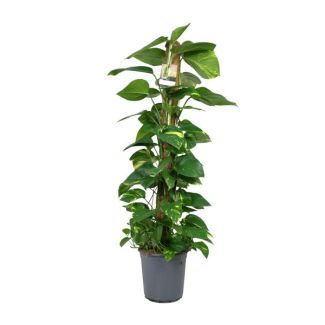
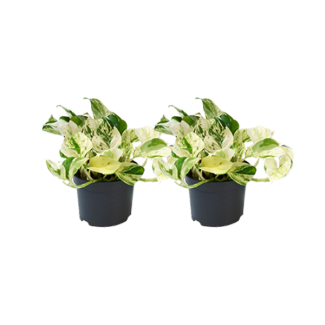
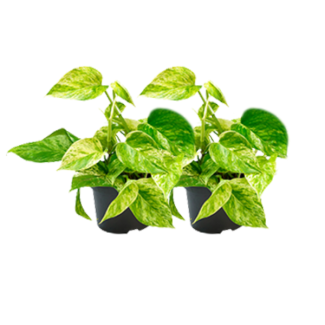
Popular Epipremnum plants
Frequently asked questions
- What pests are common on Epipremnum?
- Spider mites, thrips, and aphids are the most frequent pests found on Epipremnum indoors. Regular inspection helps catch problems early.
- How can I recognize spider mites or thrips on my Epipremnum?
- Spider mites often leave fine webbing and yellow speckles on leaves. Thrips cause silvery streaks or distorted growth. Check leaf undersides and new shoots for signs.
- What can I do about aphids on Epipremnum?
- Rinse the plant gently with water and remove visible aphids by hand. Isolate the plant if possible. Persistent infestations may require professional advice.
Introgreen Plantcoach
Specialist in indoor plants
Start with a plant question
Choose a route or ask your own question below.