
Popular Alocasia types and their characteristics

Alocasia zebrina
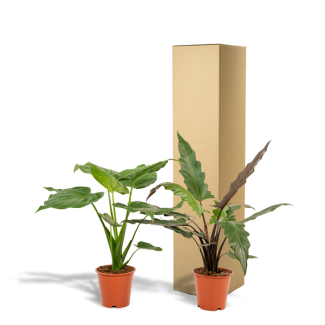
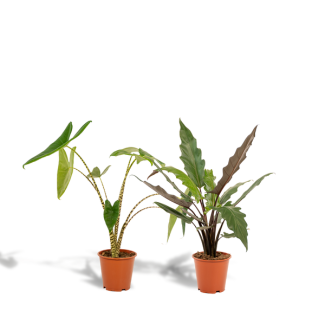
Alocasia zebrina is recognized by its slender, zebra-striped stems and arrow-shaped green leaves. The plant prefers bright, indirect light and consistent moisture, but avoid letting the soil stay soggy. Zebrina tends to grow upright and can reach a moderate height indoors.
Alocasia Polly
Alocasia Polly, also known as African Mask Plant, features dark green, shield-shaped leaves with pronounced white veins. It remains relatively compact, making it suitable for smaller spaces. Polly prefers high humidity and indirect light, and is sensitive to cold drafts.
Alocasia macrorrhiza
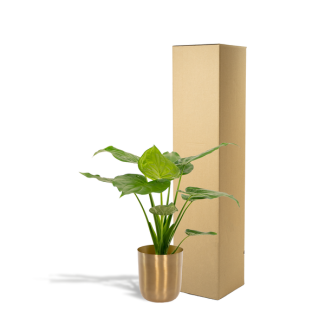
Alocasia macrorrhiza, sometimes called Giant Taro or Upright Elephant Ear, is known for its large, glossy green leaves that can grow quite big indoors. This type needs more space and benefits from regular watering and higher humidity, especially during active growth.
Other notable types
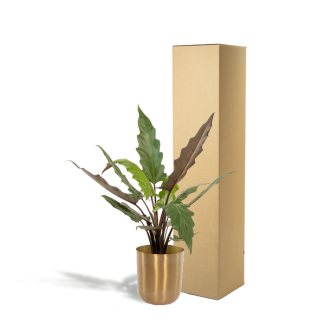
Other Alocasia varieties include Alocasia 'Dragon Scale', with textured, silvery leaves, and Alocasia 'Black Velvet', which has dark, velvety foliage. Each type has its own care preferences, so check the specific needs before choosing a variety.
Comparing leaf shapes and growth
Alocasia types differ in leaf size, shape, and color. Zebrina has narrow, arrow-shaped leaves and tall stems. Polly is compact with shield-like leaves and bold veins. Macrorrhiza produces the largest leaves and grows more upright. Consider available space and light when selecting a type.
Frequently Asked Questions
- Which Alocasia type is right for me?
- Choose based on your available space, light conditions, and experience. Compact types like Polly suit smaller rooms, while macrorrhiza needs more space. All require indirect light and moderate humidity.
- What is the difference between Alocasia zebrina and Polly?
- Zebrina has slender, striped stems and arrow-shaped leaves, while Polly features shield-shaped leaves with strong white veins and a more compact growth habit.
- Are all Alocasia types equally easy to care for?
- Care needs can vary. Some types are more sensitive to humidity or watering mistakes. Always check the specific requirements for the variety you choose.