
Green plants
Green indoor plants bring calm and freshness to any interior. They provide a natural look and improve the air quality in your home. At Introgreen you'll find a wide collection of green indoor plants, from popular varieties such as Monstera and Ficus to unique, air-purifying plants. These plants are low-maintenance and fit perfectly with any room style. Give your living space more atmosphere and oxygen with our healthy green indoor plants, straight from the grower.
-
-
-

-
-
-
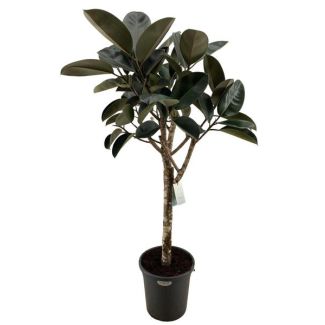
-
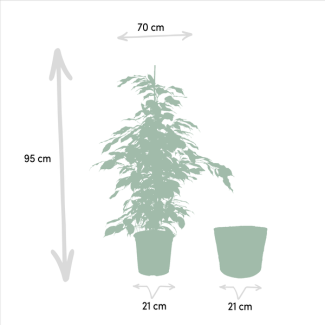
-
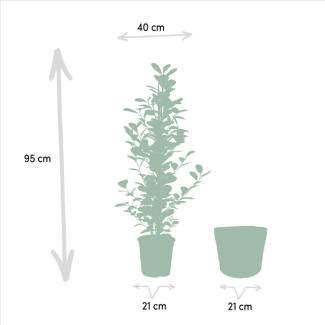
-
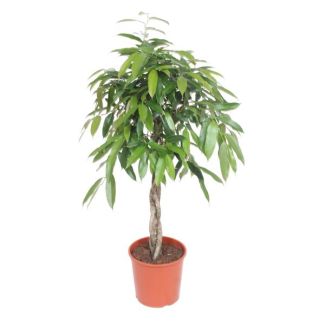
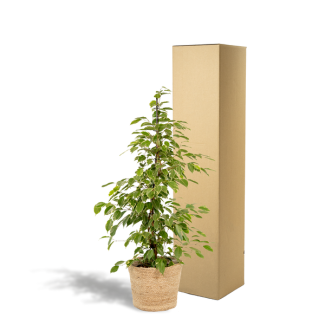 Variegated Weeping Fig in Selin basketFicus benjamina Goldenking€60.95
 -


Green plants: frequently asked questions
Which green houseplants are best for low light, and which need bright light?
For a spot a few metres away from a window, choose plants known for tolerating lower light, such as ZZ plant, snake plant, pothos, or some dracaena types. For bright, indirect light (near an east/west window or behind sheer curtains), you have much more choice and faster growth, including monstera, philodendron, ficus, and croton. Avoid placing “sun lovers” right in a dark corner: they typically respond with slow growth, leaf drop, or dull colour. If you only have a sunny south window, filter the midday sun to prevent scorched leaves on most green houseplants.
How do I choose the right size plant (small to XXL) for my room?
Choose size based on both visual impact and how close the plant will stand to walkways and furniture. Small plants work well on shelves, desks, and clustered in groups; medium sizes suit side tables and corners without dominating the space. Large to XXL plants are ideal as statement pieces in a bright corner, but they need enough floor space and stable light so they don’t lean towards the window. Also check pot diameter: a taller plant with a relatively small pot can dry out faster and may need more frequent watering than you expect.
Which green plants are a safer choice if I have pets or children at home?
If pets or small children might chew leaves, it’s wise to treat many popular green houseplants as “not for nibbling”. A practical approach is to choose explicitly pet-friendly options when available, and place other plants out of reach (high shelf, hanging position, or a room pets can’t access). Also avoid leaving fallen leaves on the floor. If you’re unsure about a specific plant type, check toxicity information before placing it at nose level for curious pets.
What are the most common watering mistakes with green houseplants, and how can I avoid them?
The most common issue is overwatering, especially with tough plants like ZZ plant, snake plant, and dracaena, which prefer to dry slightly between waterings. Always check the potting mix first: water only when the top layer feels dry, and never leave the inner pot standing in a layer of water. A second mistake is watering on a fixed schedule—needs change with season, temperature, and light. Finally, remember that decorative baskets and cachepots can hide excess water: tip them out after watering to prevent root problems.