
Hydrangea

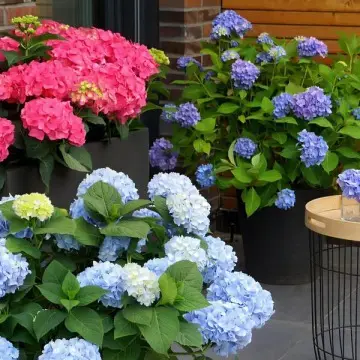
hydrangea
Hydrangea: a real eye-catcher in the garden!
The hydrangea is known for its large, full flowers and long flowering period. With its rich colors, this popular garden plant immediately brings atmosphere to your garden, border or terrace.
• Large, striking flowers
• Available in various colors and varieties
• Beautiful in borders, pots or as a standalone
From soft pink and fresh white to deep blue and purple: there is always a hydrangea that suits your garden.
-
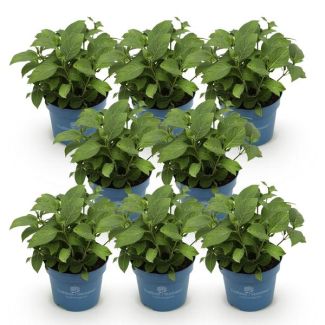 8 Pieces Hydrangea Pink/RedHydrangea Endless Summer Summer Love Red€103.95
 -
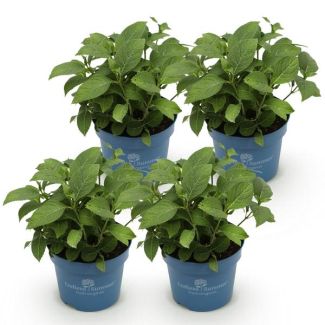 4 Pieces Hydrangea Pink/RedHydrangea Endless Summer Summer Love Red€63.50
 -
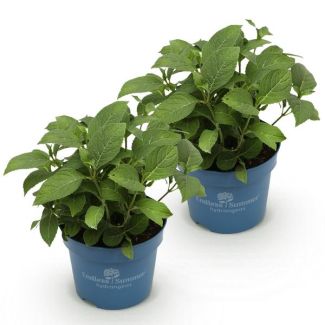 2 Pieces Hydrangea Pink/RedHydrangea Endless Summer Summer Love Red€45.95 As low as €41.36
 -
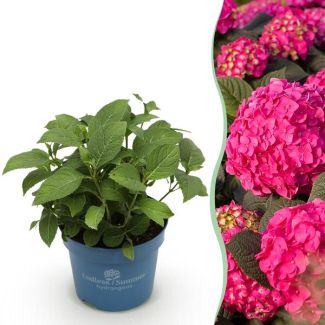 Hydrangea Pink/RedHydrangea Endless Summer Summer Love Red€32.95 As low as €29.66
 -
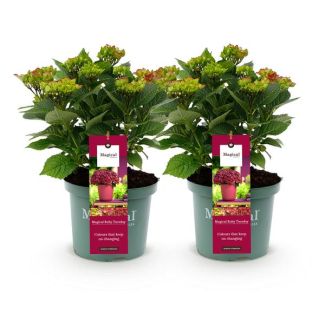 2 Pieces Hydrangea Pink/Red 5 to 7 FlowersHydrangea Magical Teusday & Saphire€58.50 As low as €52.65
 -
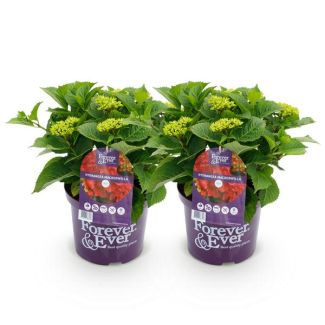 2 Pieces Hydrangea Pink/Red 5 to 7 FlowersHydrangea Macrophylla Forever & Ever€59.50 As low as €53.55
 -
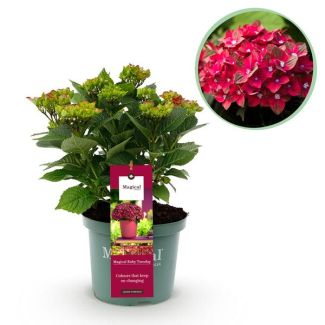 Hydrangea Pink/Red 5 to 7 FlowersHydrangea Magical Teusday & Saphire€42.95 As low as €38.66
 -
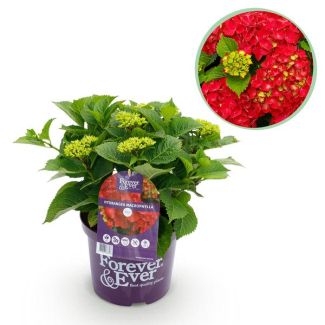 Hydrangea Pink/Red 5 to 7 FlowersHydrangea macrophylla ‘Forever & Ever’€43.50 As low as €39.15
 -
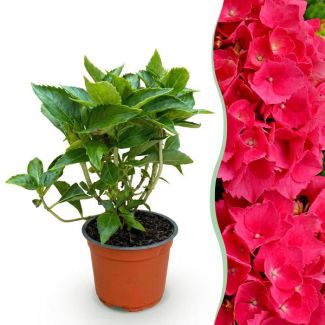
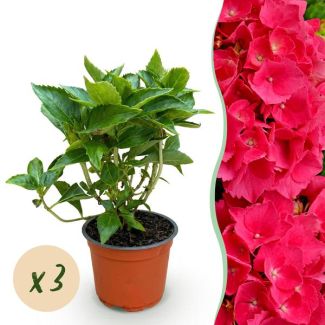 3 Pieces Hydrangea Pink/RedHydrangea macrophylla€32.50 As low as €29.25
 -


Frequently asked questions about Hydrangea
How do I choose between the different hydrangea types and flower forms?
Look at flower form and pruning habit. Mophead and large globe forms give big, showy flower heads and are chosen for strong seasonal impact; lacecap or flatter flower forms offer a more delicate, layered look in a mixed border. Panicle-type hydrangeas and other varieties that flower on new wood are easier to prune hard and often tolerate colder sites better. Choose a showy-flowering form for a focal point, and a panicle/new-wood type if you want simpler winter pruning and reliable flowering every year.
What site and pot conditions do hydrangeas need?
Hydrangeas prefer a sheltered spot with morning sun and afternoon shade; in cool climates they tolerate more sun if the soil stays consistently moist. Use rich, moisture-retentive but well-draining soil and mulch to keep roots cool. For borders allow roughly 60–150 cm between plants depending on expected maturity; in containers pick a large pot with good drainage and water more often—compact varieties suit terraces and small gardens best.
When and how should I prune and feed hydrangeas to get the best flowers?
First determine whether your hydrangea blooms on old wood or new wood. If it flowers on old wood, avoid heavy winter pruning—deadhead spent blooms and do light shaping immediately after flowering. If it blooms on new wood, prune in late winter or early spring to encourage vigorous shoots. Feed once in spring with a balanced, slow-release fertilizer or apply compost around the root zone; avoid high-nitrogen feeds late in the season that promote foliage at the expense of buds.
Can I influence flower colour and how do I plan hydrangeas in the garden for the best visual effect?
Some hydrangea types respond to soil pH and aluminum availability: more acidic soil tends to produce bluer tones, more alkaline soil tends toward pinker tones—changes take time and are not effective for all types. Choose white-flowering varieties if you want a reliable neutral shade. For planting, use hydrangeas as focal shrubs, mixed border plants, or container specimens; combine with evergreen or late-season perennials for contrast and structural interest. Test soil pH before attempting colour changes and accept that variety choice and light conditions also strongly affect final colour intensity.